Tijuana’s Japanese offerings sit inside a city of 529 restaurants, where the average rating is 4.52 and the average quality score is 80.0. Only three Japanese venues appear in the dataset, and they cluster in two neighborhoods: the downtown corridor around Blvd Gral Rodolfo Sánchez Taboada and the Hipódromo district. The city’s price distribution shows 187 budget, 177 mid‑range and 11 upscale spots, so Japanese food lands mostly in the mid‑range and upscale brackets.

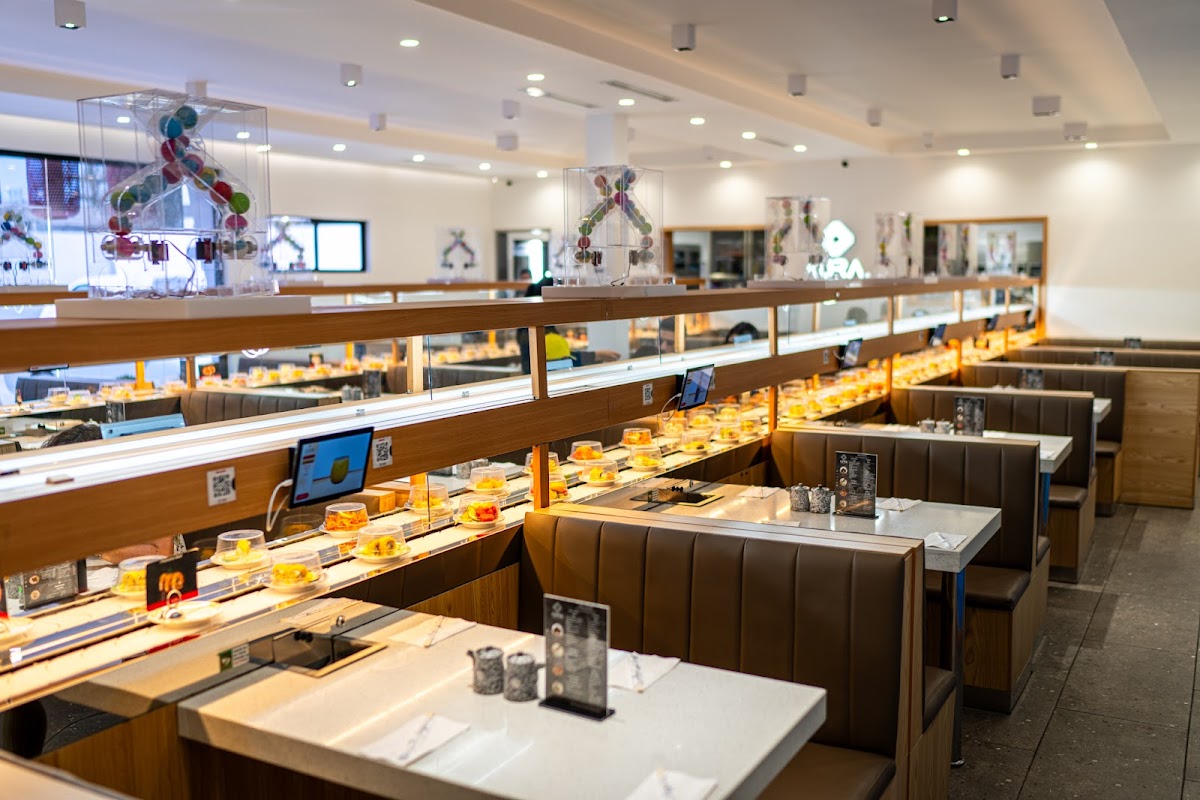
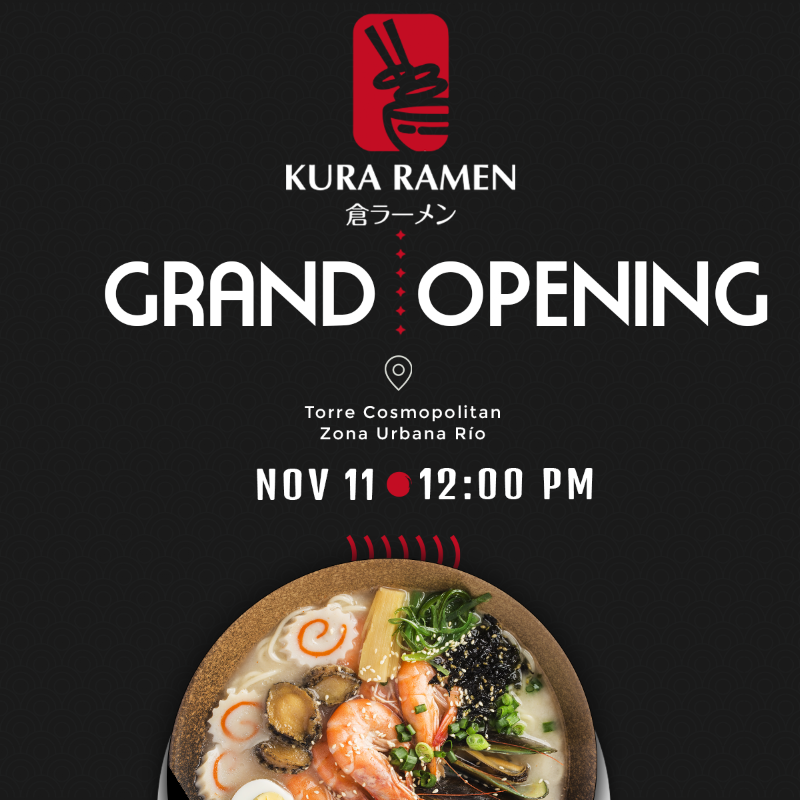
Kura Ramen anchors the downtown cluster. Its address on Blvd Gral Rodolfo Sánchez Taboada puts it in a busy commercial zone, and the shop stays open from 11 a.m. to 10 p.m. on weekdays, extending to 11 p.m. on weekends. Reviewers give it a 4.7 rating from 1,262 comments, and its business score of 87.2 places it near the top of the city’s overall average. The menu, linked on its site, focuses on ramen bowls that arrive quickly – a fact highlighted by the keyword “pronto” in guest feedback.
Komasa, the second spot, carries a mid‑price tag (denoted $$) and earns a 4.5 rating from 2,605 reviews. Its score of 89.0 exceeds the city average, suggesting strong consistency despite a higher price point than typical ramen joints. Reviewers mention “taste” and “robot” – a nod to the restaurant’s playful interior touches. Although the exact address isn’t listed, the venue sits in the same downtown area, drawing a crowd that appreciates a polished sushi bar.
The third venue, Nigori sushi de autor, sits in Hipódromo and commands a $200–300 price range per plate. Its 4.6 rating comes from 317 reviewers, and a score of 87.1 mirrors the other two establishments. Open from 1 p.m. to 10 p.m. on weekdays and later on weekends, Nigori leans into teppanyaki flair, with keywords like “presentation” and “cheese” popping up in comments. The high price reflects imported ingredients and a focus on artistic plating, which reviewers describe as “sweet bun” and “gratin” touches.
When the numbers meet the menu, a clear pattern emerges. Kura Ramen delivers a 4.7 rating with no listed price, effectively offering the best bang for the buck. Komasa’s 4.5 rating at a mid‑range price still outperforms many city‑wide spots, while Nigori’s $200‑plus price yields a 4.6 rating – a quality level that matches Komasa but at a much higher cost. In other words, a bowl of ramen at Kura Ramen gives you top‑tier satisfaction without the premium, whereas the sushi experience at Nigori feels more like a special‑occasion outing.
The data suggests that value hunters should gravitate toward Kura Ramen, especially for late‑day cravings when the shop stays open until 11 p.m. The market still lacks an affordable sushi bar that can match the high scores of Komasa and Nigori. A new entrant that blends low‑price sushi with the quality scores seen in the dataset could fill that gap and round out Tijuana’s Japanese scene.