It’s 1:15 PM at Los Arcos Restaurant and the lunch rush is in full swing. Ocean breezes carry the tang of lime and smoke through the open windows. At table three, a man in a white linen shirt gestures wildly as he praises the octopus—'grilled over coals, not boiled, not fried—this is how it should be done.' He’s not wrong. The tentacles here are tender but toothy, glazed with achiote oil and charred to perfection.
The real star is the ceviche de pescado, a $150 plate that arrives in a cymbal-shaped bowl. Fresh Pacifico fish shimmers under lime juice, its sharp acidity balanced by chunks of jicama and a single chili that lingers like a secret. One regular, a retired fisherman, calls it 'the best in the border—mejor que Ensenada.'
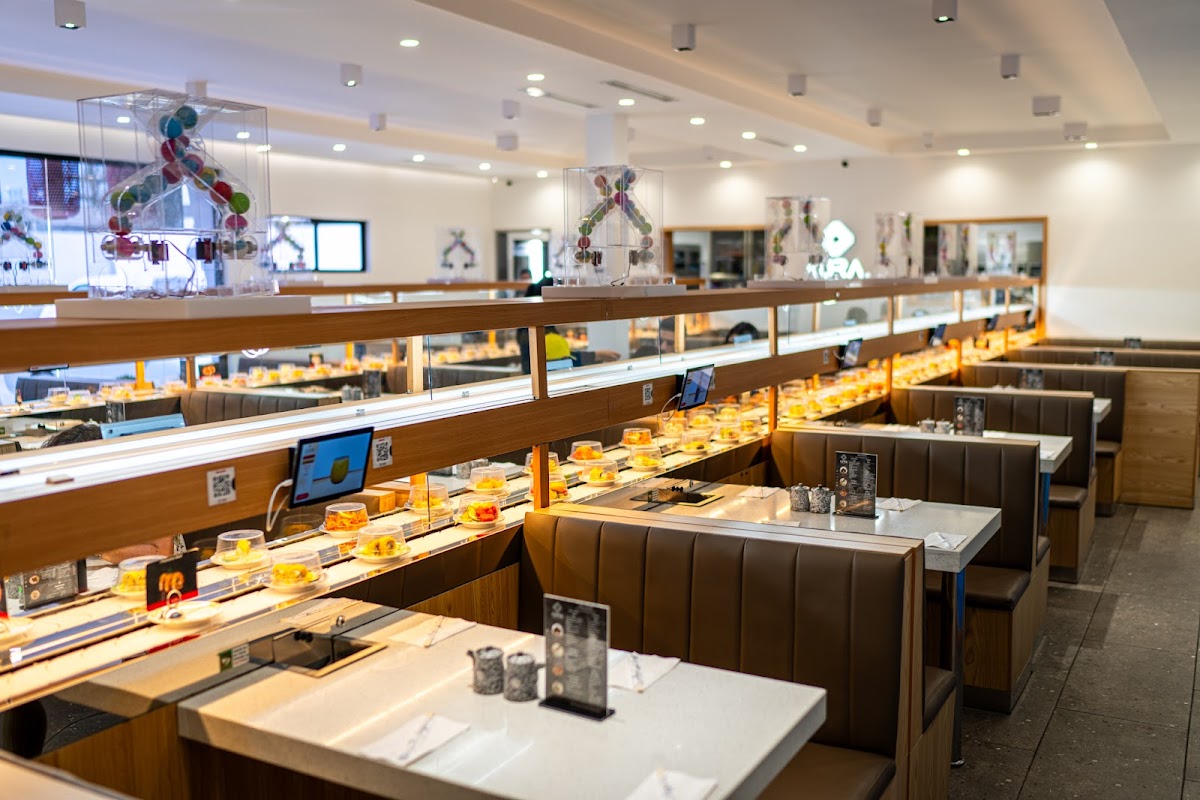
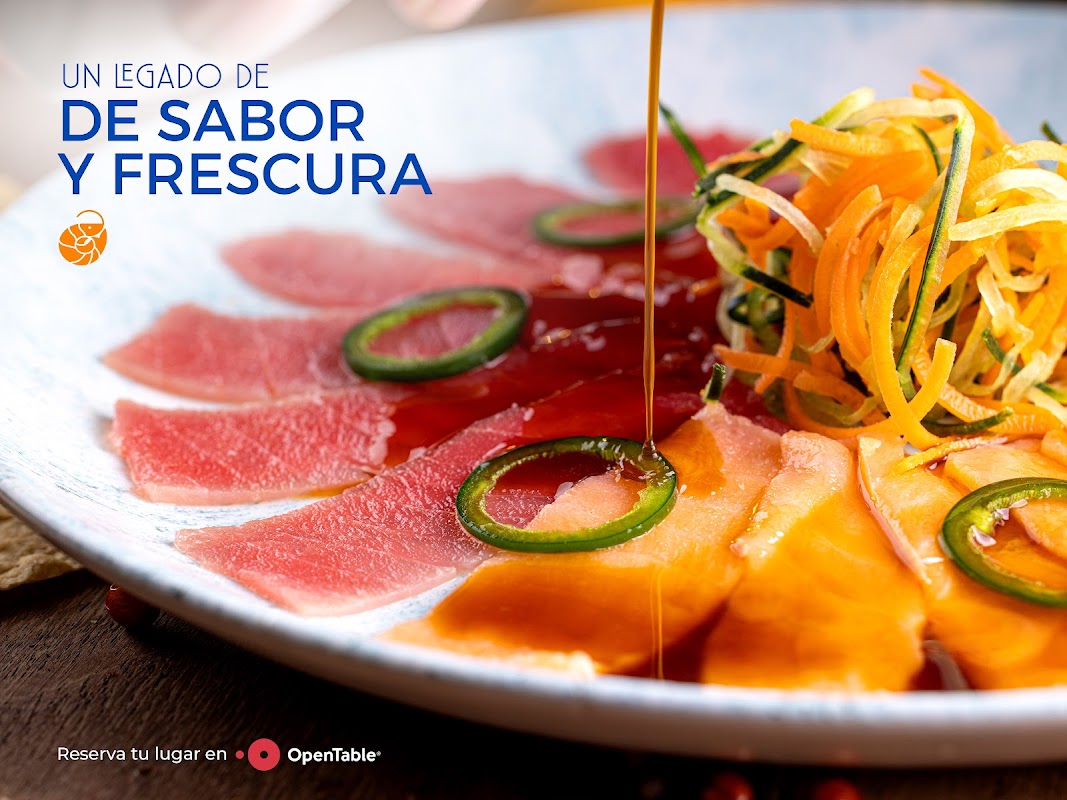
Three blocks away at Cabanna Restaurant, the vibe shifts. The lunch crowd is younger, louder, clinking glasses of mezcal-infused drinks. A woman at the bar sighs, 'I’ve had sushi in Tokyo, but this tiradito? Más fresco que el mar.' She’s pointing at the $180 bluefin tuna sashimi, its crimson flesh glistening with sesame oil and yuzu. The bluefin is flown in daily from Baja’s deep waters—a fact the owner mentions proudly, wiping his hands on a flour-tortilla sleeve.
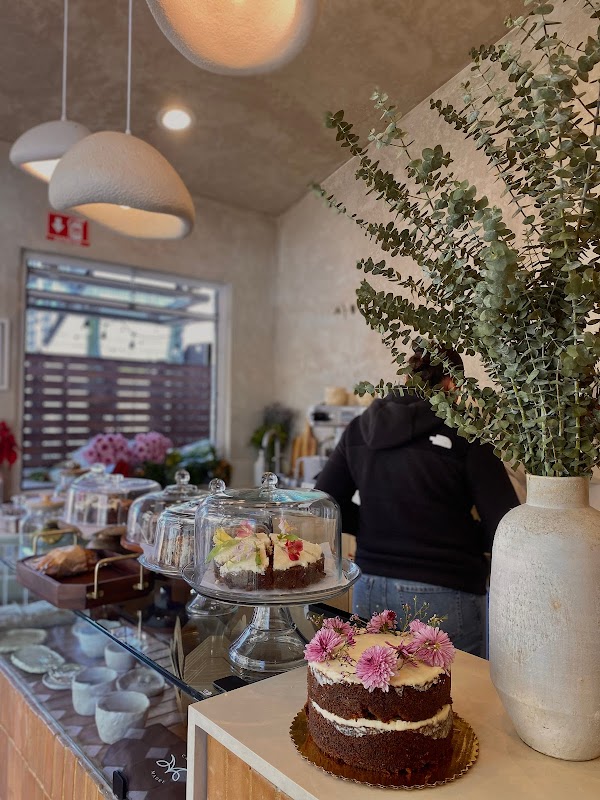
By 8 PM, the sunset turns the Pacific into molten gold. Los Arcos still has a few tables left, but Cabanna’s outdoor terrace is packed. A teenager texts his mom, 'The dulce de leche flan is worth the $80—¡morderme la lengua!' He’s right. The caramel oozes like warm honey, cutting through the salt in the air.
Both restaurants have their loyalists. At Los Arcos, the octopus plate sells 200 times a week. At Cabanna, the tostada de atún sells out by 2 PM on Fridays. The difference? One leans into tradition, the other into reinvention—but both understand that good seafood should taste like the sea itself.
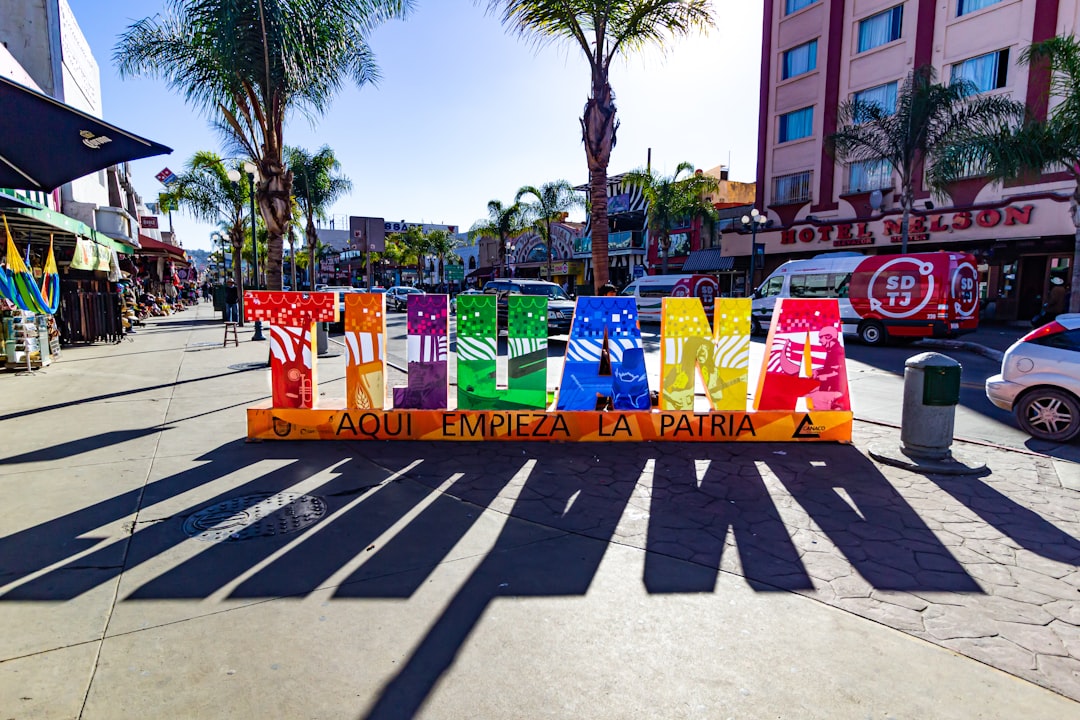
I leave with a to-go box from Los Arcos and a $200 bill. The ceviche is still cold, the octopus still smoky. Back on the Avenida Revolucion, the night market glows with taqueras and tequila stands. Tijuana’s seafood scene isn’t just about food—it’s a conversation between land and ocean, between generations of fishermen and cooks who know that the best flavors don’t need to shout.