The air smells like soy, sesame oil, and anticipation. A line of locals spills into the Cuauhtémoc metro exit, waiting for the 2 pm rush to end. When the door finally opens at 2:15, they rush inside to the clatter of rice spatulas and the sharp crack of torched cedarwood skewers. This is Santo Hand Roll Bar, where Chef Javier Oyama’s fourth-generation Japanese roots meet the bold flavors of Mexico City.
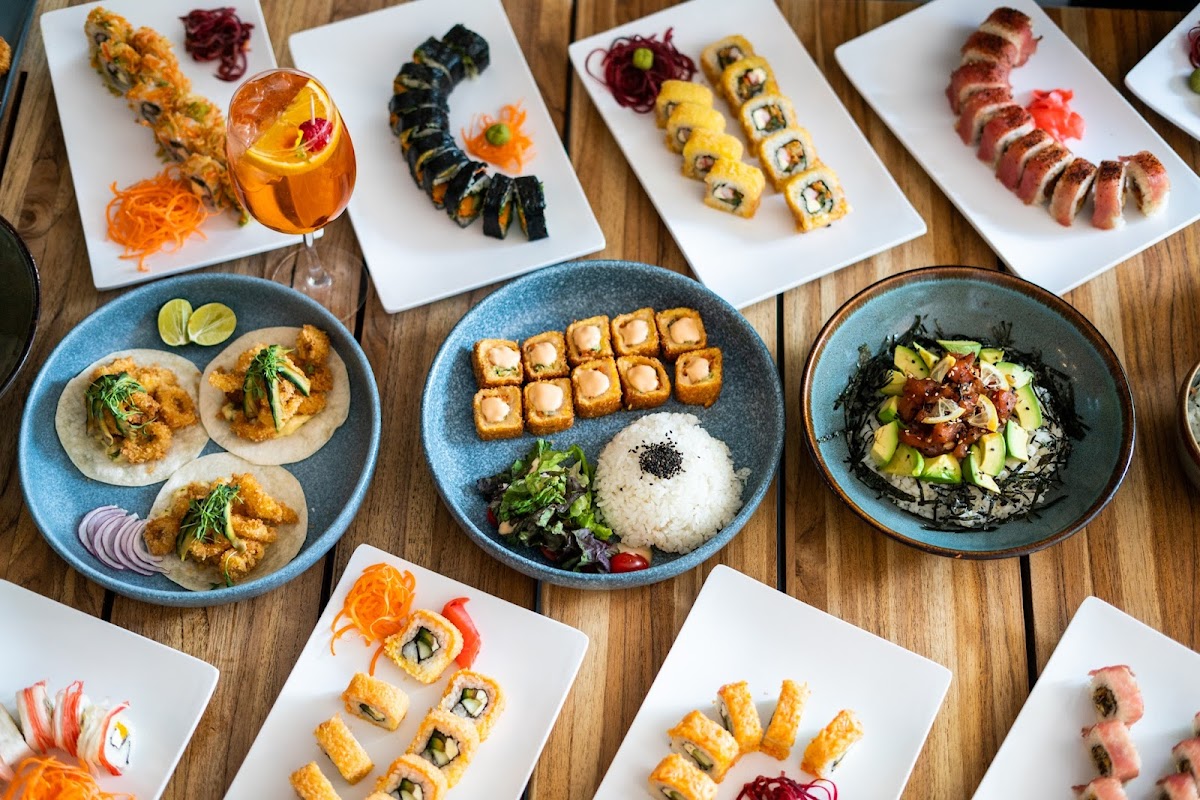
Order the "omakase botanero" and watch Oyama work magic. His hamachi choco ($180) is a study in contrasts: the buttery sweetness of the fish, the bitter snap of housemade chocolate, and the smoky char from the hibachi. One regular raves, "It tastes like a campfire and a chocolate factory had a baby." The spicy tuna roll next to it is so crisp it makes a sound like rice paper crackling in a hot pan.
A few blocks west at Moshi Moshi, the vibe is more lounge than shrine. The pork belly ramen ($195) arrives in a steaming bowl with a quail egg yolk the color of a sunset. A food blogger captured it perfectly: "It’s like hugging a warm, greasy cloud." The chefs here don’t just make sushi—they curate experiences. The "band sushi" platter ($295) stretches across the table like a sushi sushi serpentine, each piece a tiny sculpture of fish and rice.
Back at Santo, the midnight crowd leans in close. A table of three shares the "santa maria" roll—eel, avocado, and a drizzle of chili-lime crema that makes the whole thing taste like a seaside vacation. Oyama’s secret? "The rice has to be 68°C exactly. Too hot, and it burns the flavor. Too cold, and it’s just starch." He learned this watching his grandfather in Osaka, but his twist is purely CDMX: a side of chili-pickled cucumbers to cut the richness.
When the last customer leaves at 1:45 AM, Oyama locks the door and exhales. The next day, the line starts forming again. For these places, the magic isn’t in the stars or the dollars—it’s in the hands that shape the rice, the knives that slice the fish, and the city that won’t stop craving reinvention.