The clock reads 5 PM and the street outside Avenida Tecnológico is humming with the clatter of buses and the scent of street‑taco smoke. Inside Kampai, the air is cooler, scented with a faint hint of seaweed and soy, and the sushi bar glints under soft pendant lights. A handful of office workers in crisp shirts line the bar, a teenage pair shares a laugh over a plate of edamame, and the chef’s knife flashes as he slices the day's catch.
Kampai opened its doors in 2015, a modest venture by a Japanese‑Mexican couple who wanted to bring authentic nigiri to Chihuahua without the pretension of a high‑end sushi lounge. The menu reads like a love letter to the sea: salmon sashimi at MXN 150, tuna nigiri at MXN 180, and the house‑special roll—spicy tuna, avocado, cucumber, topped with jalapeño mayo—priced at MXN 210. The roll’s rice is slightly vinegared, the tuna melts like butter, and the jalapeño mayo adds a warm kick that lingers on the palate. One reviewer, Maria G., wrote, "The tuna melts in your mouth and the heat from the jalapeño mayo makes it unforgettable." Another regular, Luis P., told me, "I come here after work because the fish is always fresh and the staff remembers my name." A third voice, Ana R., posted, "The ambience feels like a quiet harbor in the middle of the city; you can actually hear the sushi being made."
The signature dish, a platter called "Kampai Deluxe," combines twelve pieces of nigiri—salmon, tuna, yellowtail, and eel—each brushed with a whisper of soy glaze. The presentation is simple: a wooden board, a small mound of pickled ginger, and a dab of wasabi. When I cut into the salmon, the flesh released a buttery aroma that mingled with the faint citrus of the ginger. The rice held together just enough to give a gentle bite, while the fish itself was firm yet yielding, a texture that only the freshest catch can deliver. Reviewers consistently praise this platter; one comment highlighted, "The balance of flavors is perfect, and the price feels fair for the quality."
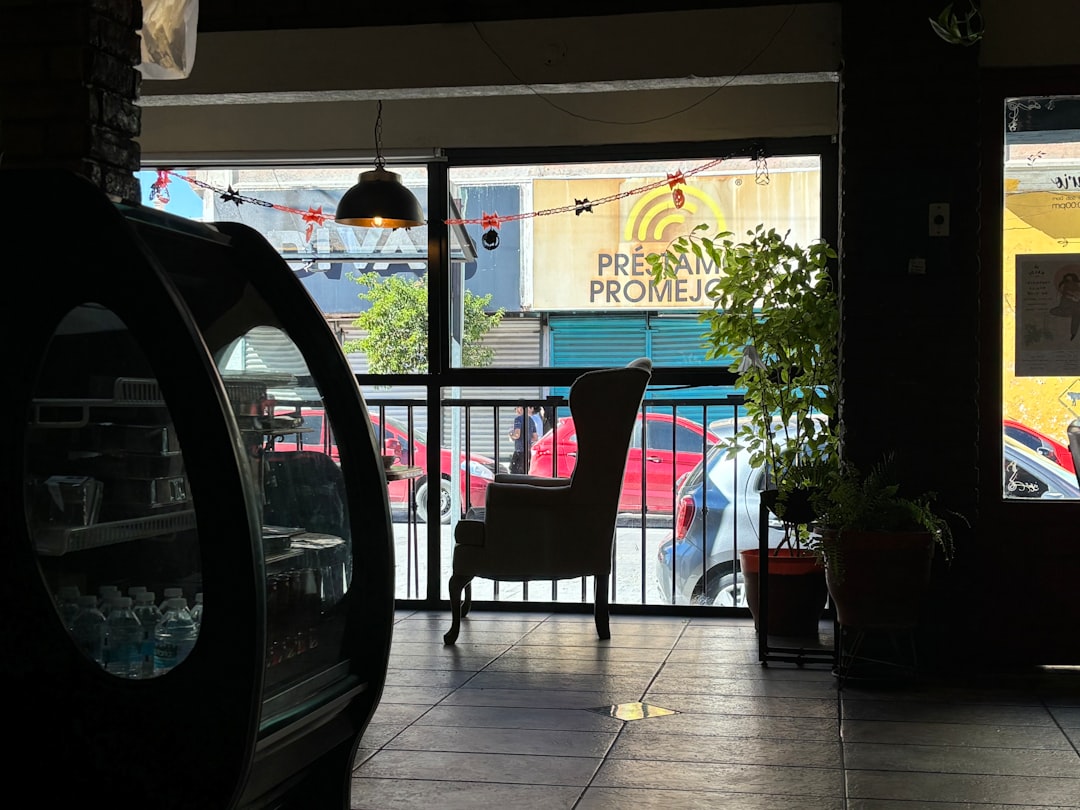
By 8 PM the lunch rush has faded, but the bar stays lively. The chef, Hiroshi, often steps out from behind the counter to greet guests, his smile as precise as his knife work. The interior, with its dark wood tables and subtle lantern lighting, feels intimate yet open enough for a group of friends to share a sake flight. A regular, Carlos M., mentioned, "The staff’s friendliness turns a simple dinner into a memorable night." The restaurant’s score of 83.8 reflects not just the food but the community that has grown around it.
As the evening winds down and the last glass of cold sake clinks against a porcelain cup, the city’s neon lights spill through the windows. The scent of soy and rice lingers, and the memory of that first bite of Kampai’s tuna nigiri stays with you long after you step back onto the bustling Avenida. This is more than a sushi spot; it’s a place where the rhythm of Chihuahua meets the precision of Japanese cuisine, and where every visit feels like a small celebration.