Japanese food in Morelia: a data‑driven look
By Cuisine

Japanese food in Morelia: a data‑driven look

Morelia’s Japanese scene packs 22 spots into a historic core and a modern suburb, with price points from a dollar to two hundred pesos per plate.

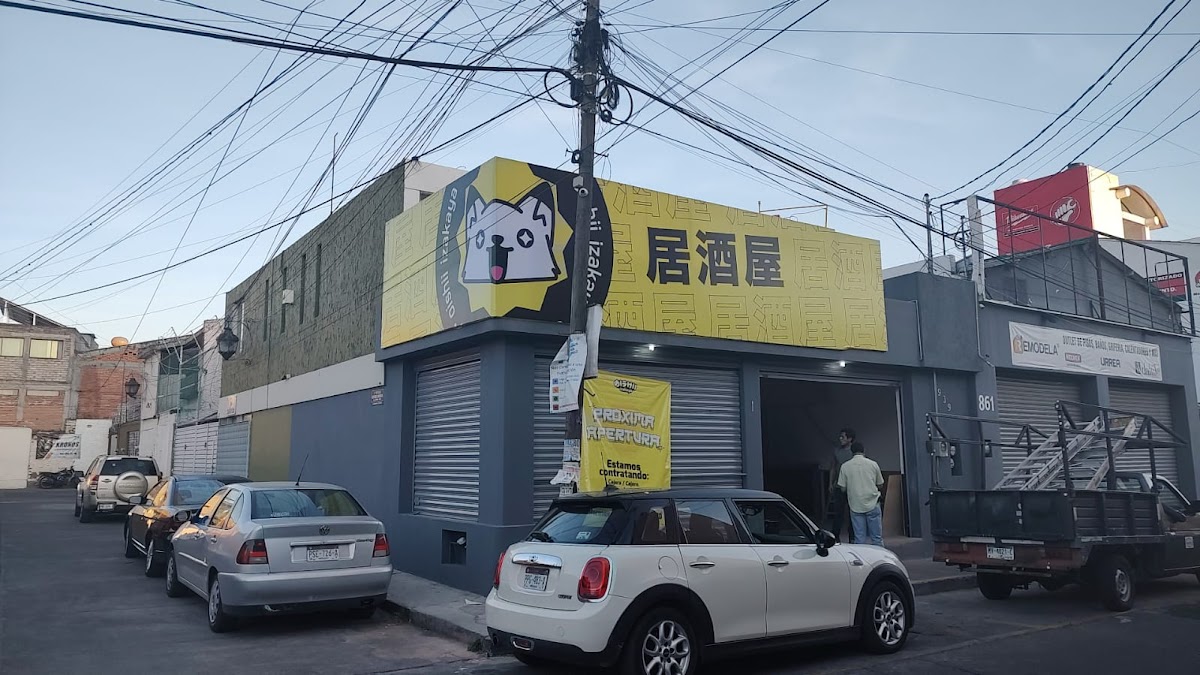
Morelia hosts 22 Japanese‑style eateries, clustered mainly in the Centro histórico and the Ventura Puente neighborhood. The city’s overall restaurant count sits at 523, with an average rating of 4.47 and an average quality score of 75.6. Budget‑friendly joints make up 245 of those places, mid‑range 102, and only one upscale Japanese venue tops the price chart. This distribution shows a clear split between cheap sushi spots and pricier izakayas. Yoshoku (Los makis de hospitales) sits at the low end of the spectrum. Its menu prices range from $1 to $100, yet it pulls a solid 4.1 rating from 3,474 reviewers and a quality score of 86.6. The address on Mariano Elizaga places it in the bustling historic center, where the smell of soy and rice mingles with street vendors. By contrast, Magari Cafetería Japonesa and Yoshiro Izakaya both charge $100–200 per plate. Magari, on Mariano Elizaga 169, scores 4.6 from 560 reviews and a high 89.6 business score, while Yoshiro Izakaya on Gertrudis Bocanegra 939 in Ventura Puente matches the 4.6 rating but trails slightly with an 84.9 score. Both venues stay open from 1 pm to 7 pm on weekdays, but Yoshiro extends its hours to 8:30 pm on weekends, catering to night‑owls. The two upscale spots share a rating but differ in ambience and score. Magari’s interior is peppered with imported cymbals and karaoke booths, creating a lively dining room that reviewers note as “accessible” and “musically charged.” Yoshiro leans into an otaku vibe, with anime posters and a broth that draws fans of Japanese pop culture. Despite identical price brackets, Magari’s 89.6 score suggests a more consistent experience across its menu, while Yoshiro’s 84.9 indicates room for improvement in service or dish execution. Both rely on a similar price ceiling of $200 for premium plates like wagyu sushi rolls. The most surprising value appears at Yoshoku. A single maki roll can cost as little as $5, yet the restaurant maintains an 86.6 quality score, edging out Yoshiro’s 84.9 despite the latter’s higher price tag. In other words, Yoshoku delivers a score that rivals the upscale spots while staying well under the $100 mark. For diners who track price‑to‑quality, the math is clear: $80 per plate at Magari yields a 4.6 rating, the same rating you can find at Yoshoku for a fraction of the cost. Looking ahead, the market shows a gap in the mid‑range tier. With only one upscale Japanese restaurant and a flood of budget options, diners seeking a middle ground between $50 and $100 per meal have few choices. Investors could fill that niche with a modern ramen bar or a sushi‑bento concept that offers a 4.5 rating and a 90‑plus score at a $75 price point. Until then, savvy eaters will continue to swing between the high‑scoring, high‑price Magari and the budget‑friendly, high‑score Yoshoku.

Read Full Article

More Articles

Magari Cafetería Japonesa’s izakaya-style bar with exposed concrete and soft lightingGuide

A Night at Magari and Lunch at La Canasta: Japanese Eats in Morelia

From high-end karaoke dinners to casual sushi lunches, Morelia’s Japanese restaurants blend tradition with local flair.

The clatter of chopsticks and a distant karaoke melody greet you at Magari Cafetería Japonesa. Tucked into Morelia’s historic center, this upscale spot feels like a secret: polished concrete floors, soft Edison-bulb lighting, and a single imported izakaya curtain framing the bar. At 7:15 PM, the lunch rush has faded, but the salmon teriyaki (180 pesos) still glistens on the plate, its glaze sticky with house-made miso. A regular waves to the chef behind the counter, muttering, 'El ambiente es perfecto para una cena tranquila.' Ten blocks east, sushi la canasta hums in the afternoon sun. Open from 11 AM to 7 PM (closed Mondays), its teal awning is a beacon for locals. The lunch crowd packs the narrow dining room, but the tamago (85 pesos) arrives promptly—sweet, fluffy, and golden, folded into a crisp omelet. One reviewer wrote, 'Los ingredientes frescos salen en dos minutos,' a claim the kitchen backs with efficiency. For 120 pesos, the california roll with tempura shrimp feels indulgent, though the wasabi heat is dialed back to please local palates. Magari’s menu straddles curiosity and confidence. The 200-peso wagyu beef bento arrives with pickled radishes and a note: 'Sirva con sake.' The meat is tender, but the real draw is the after-hours energy—karaoke starts at 9 PM, and the miso soup (75 pesos) is a late-night comfort. Regulars joke that the cymbals in the review keywords are from the nearby subway, but the 'price' complaints vanish when you taste the 150-peso negroni, its citrus peel curling like a question mark. sushi la canasta’s charm is in the details. The owner, visible in photos flipping teppanyaki, stocks imported wasabi but lets locals ask for less. The 100-peso 'combo del día' includes miso soup and a tamago, a deal that keeps students and teachers alike coming back. One Yelp user raved, 'El sabor del salmon es como en Japón,' though the rice is distinctly Moreliano—slightly sticky, with a hint of lime. By 8 PM, Magari’s playlist shifts to boleros, and the last diners linger over matcha parfaits. Across town, la canasta’s lights flicker off, leaving only the hum of the fridge. Both places feel like chapters in Morelia’s Japanese story—one imported, one adapted. Neither is perfect, but both are real.

Read Full Article
Also Explore