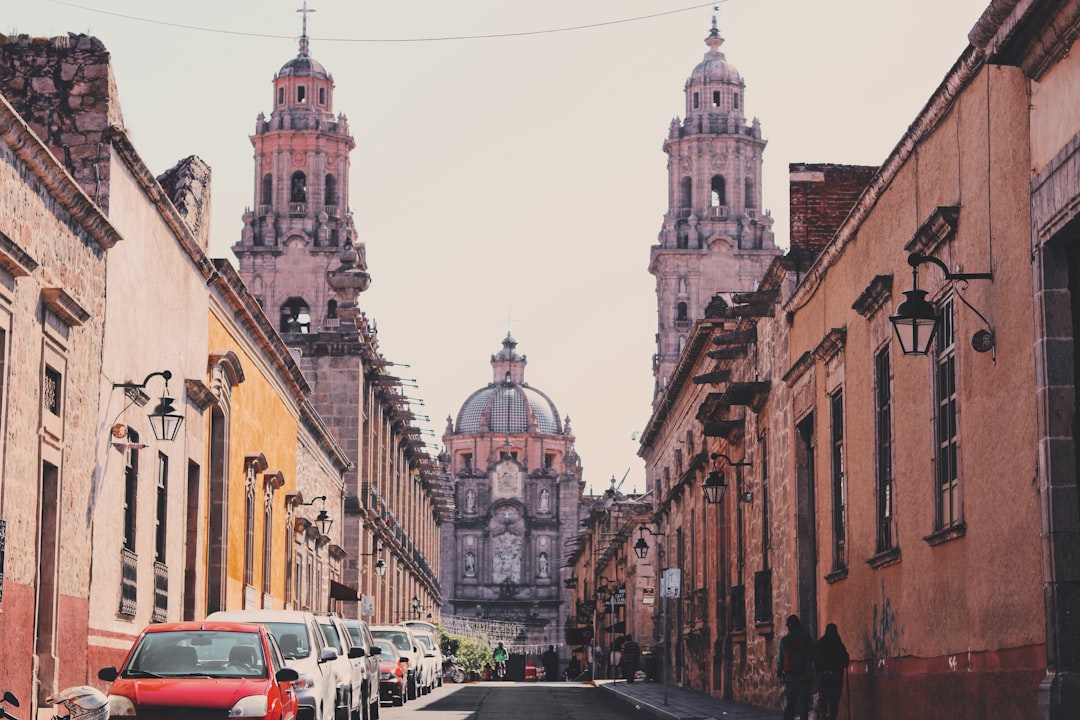
La Aldaba’s terrace overlooks the cobblestone streets of Morelia’s historic center, but the real draw is the plate of chilaquiles that arrives smothered in molé rojo. I arrived at 7:30 AM on a Saturday, and the staff had already set out the day’s fresh tortillas. The scent of slow-roasted pork mixed with the tang of lime from the aguachile station nearby. A regular in the corner nodded at me, muttering, 'This is where Morelia’s soul comes to eat.'
The restaurant’s 95.2 score isn’t just for the view. Their foie gras with huitlacoche mousse ($180) is a study in contrasts—silky, earthy, and faintly sweet. One reviewer noted, 'It tastes like they took a Michoacán cornfield and turned it into a Michelin star.' The menu leans international (think carpaccio and risotto), but the chocolate moreliano for dessert ($120) stays true to local roots, its bitterness offset by a scoop of toasted cinnamon ice cream.
Kontén Morelia feels like a seafood market reimagined as a restaurant. By 8 PM on a Thursday, the marlin tacos ($150) are flying out of the kitchen, their crispy shells cracking under the weight of ceviche-like filling. The terroir here is oceanic: reviewers rave about the molcajete of shrimp and octopus ($280), a clay pot bubbling with habanero aioli. A woman at the next table exclaimed, 'This is the only place where I’ll eat shellfish and not check my nails for barnacles.'
The $$ price tag at Kontén doesn’t mean austerity. The carambola de mariscos ($450) arrives as a tower of scallops, clams, and crab, drizzled with citrus foam. It’s a dish that demands you forget about calories. Open daily until 11 PM, the restaurant’s soundtrack shifts from cumbia to jazz as the night goes on—a reflection of its crowd, which ranges from college students to business owners celebrating deals.
Both restaurants anchor their menus in local identity but express it differently. La Aldaba’s enchiladas de huitlacoche ($160) use cheese from nearby Purépero dairies, while Kontén’s tostadas de pulpo ($130) feature octopus caught off the coast of Colima. The contrast is deliberate: one is a museum of Morelia’s past, the other a window to its globalized present.