It is 7 p.m. on a warm Thursday and the patio of Dassian Restaurante hums with the clink of glasses and low chatter. A street musician strums a soft guitar while the aroma of fresh rosemary and simmering ragú curls through the air. I slide into a wooden chair, the sun slipping behind the colonial façades of Miguel Hidalgo, and the server hands me a crisp water with a slice of lime.
The kitchen opens its doors to the night crowd with a flourish of flour‑dusted hands. The signature fettuccini al rosmarino arrives on a plain white plate, the pasta ribbons glossy with a light butter sauce, speckles of chopped rosemary bright against the golden noodles. A fork lifts a bite; the pasta is al dente, the rosemary sharp yet balanced, the cheese melt smooth. The price tag reads $150, a fair cost for the care that went into each strand. A reviewer on a recent visit wrote, “The rosemary‑scented fettuccini sings with flavor, each bite a reminder of why I keep returning.”
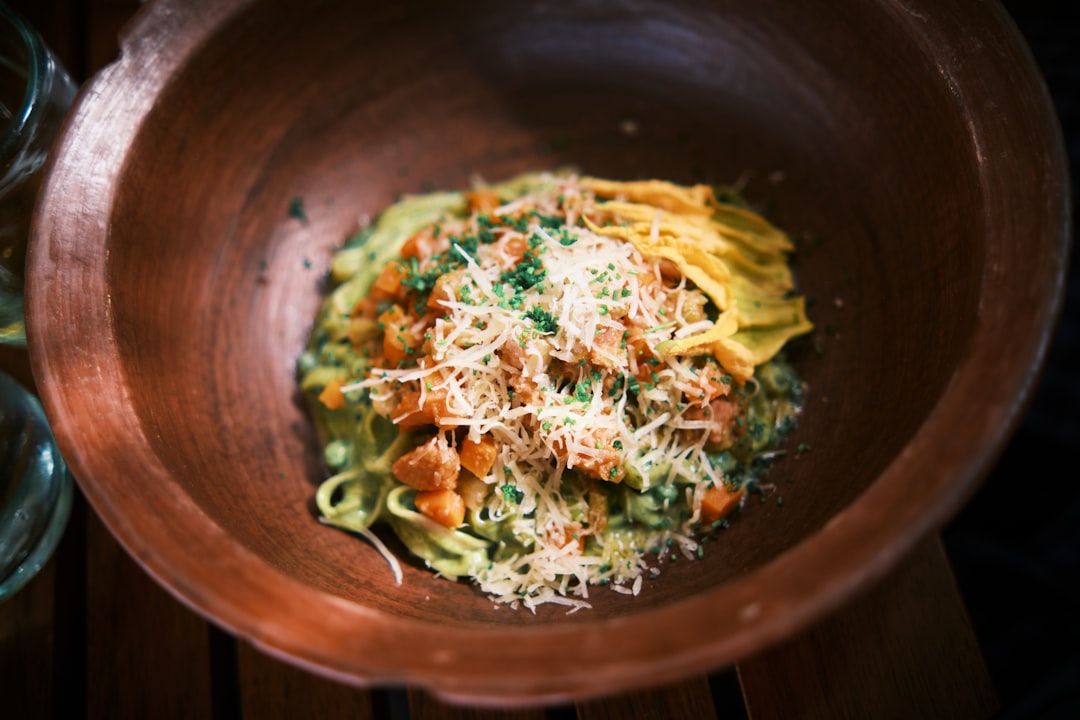
Beyond the fettuccini, the menu offers a ragú de conejo that earned a separate shout‑out: “The rabbit ragú is deep, the meat tender, the sauce rich with a hint of oregano,” another guest noted. The salad caprese, plated with ripe tomatoes, mozzarella, and a drizzle of local olive oil, carries a price of $80 and draws comments like, “The caprese feels like summer on a plate, bright and fresh.” The restaurant’s price range of $100‑200 places it in the upscale bracket for Oaxaca, yet the service feels personal, as if the chef knows each regular by name.
Dassian’s story began when an Italian‑born chef fell in love with Oaxaca’s markets and decided to merge his heritage with the local bounty. He sources the fresh herbs from nearby stalls, the rabbit from a family farm, and the pasta is made daily on a stainless‑steel table in the back of the restaurant. Reviewers often mention the open kitchen: “Watching the chef toss fresh pasta is a performance, the rhythm of his hands matching the music outside.” The interior, with exposed brick and soft amber lighting, feels both intimate and lively, a place where a solo diner can read a book while a couple celebrates a birthday.
By 10 p.m. the crowd thins, but the scent of rosemary lingers. I finish my espresso, the bitter coffee cutting through the lingering butter of the pasta. A final quote from a long‑time patron rings true: “Dassian isn’t just an Italian restaurant; it’s a bridge between two culinary worlds, and every visit feels like coming home.” The night ends with the street lights flickering, the restaurant’s door closing, and the promise of another plate of fettuccini waiting for the next evening.