Oaxaca hosts 894 Mexican‑restaurant listings, an average rating of 4.47 and an average quality score of 70.1. The city’s price distribution shows 301 budget spots, 132 mid‑range venues and only six upscale operations. Most of the listings cluster around the historic centre, where tourists and locals converge, while a secondary ring appears in the neighborhoods of Jalatlaco and Xochimilco. The data tells a story of a market that is dense, diverse and still growing.
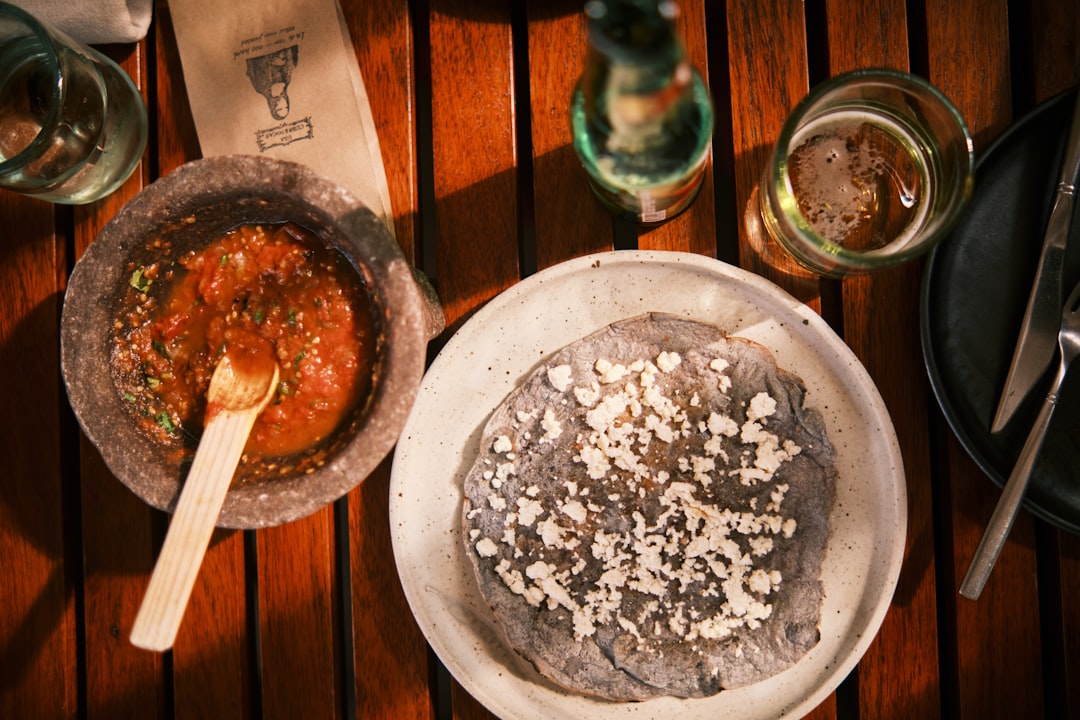
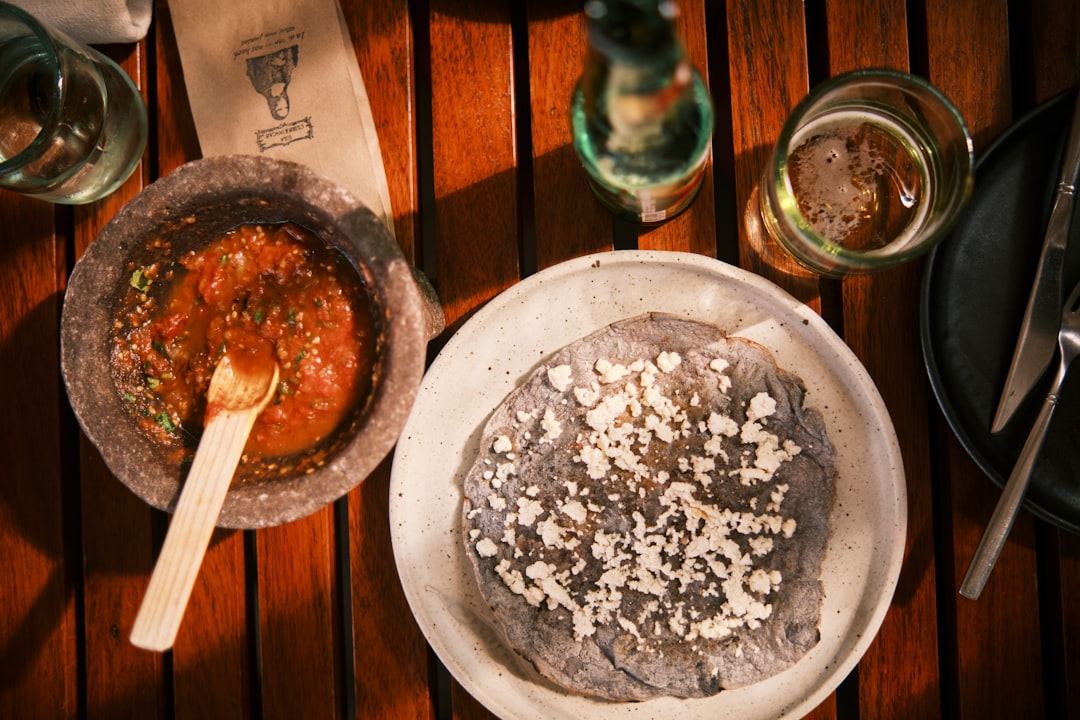
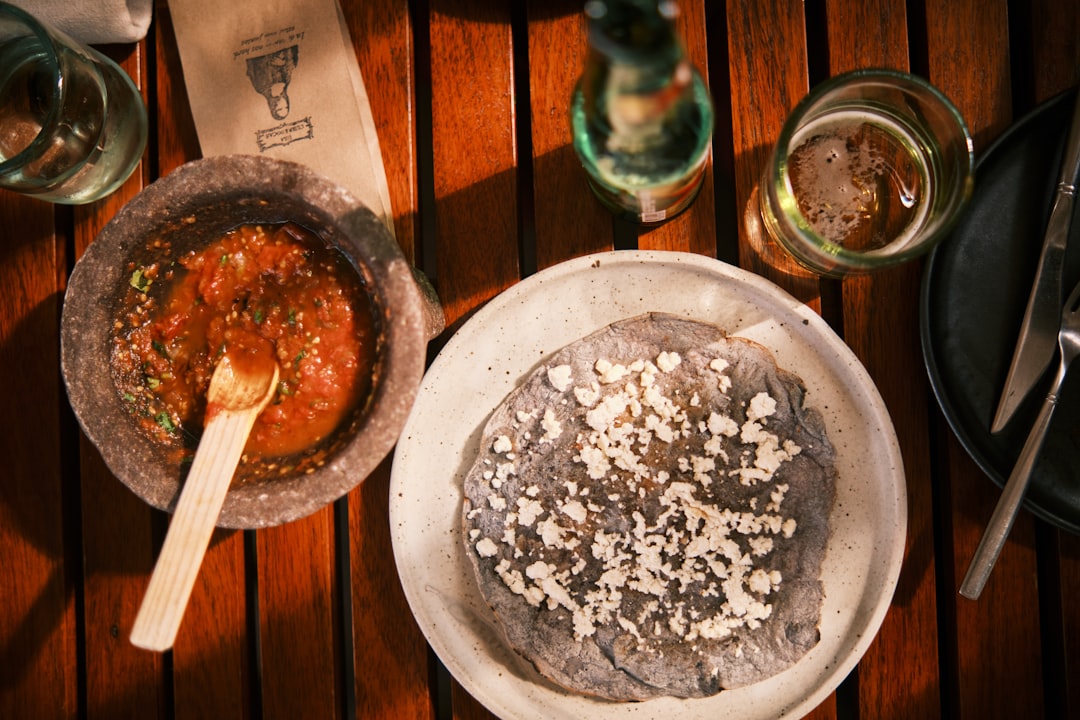
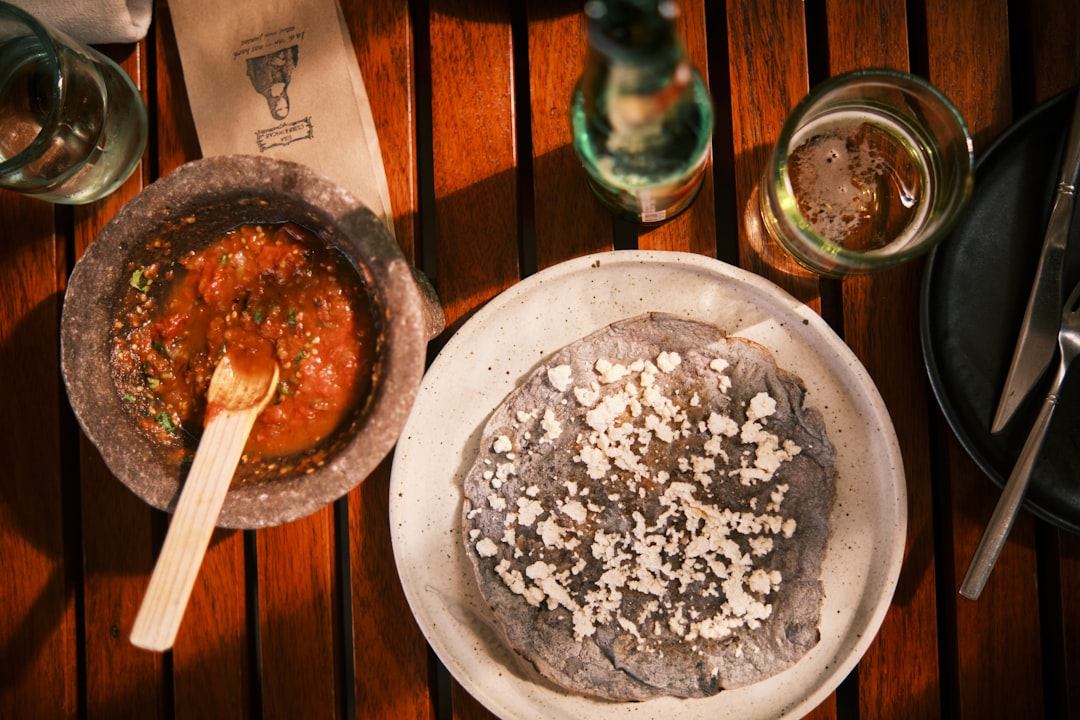
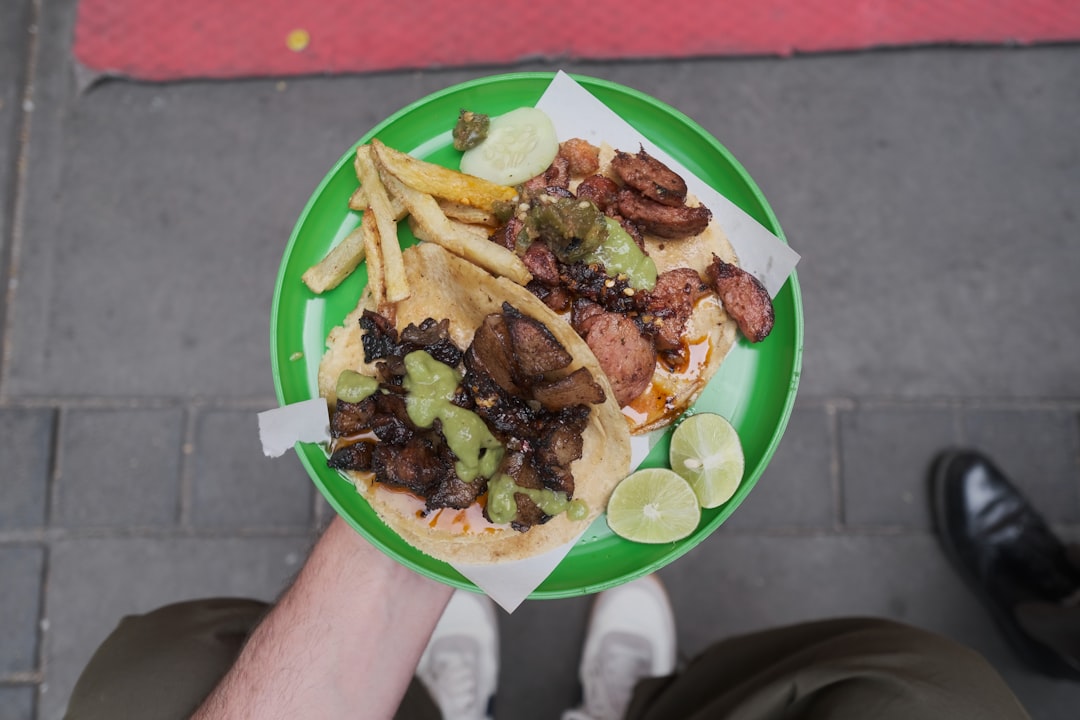
At the low end, El Biche Pobre sells tacos, quesadillas and a few plates for between MX$1 and MX$100. Its 4.3 rating from 1,615 reviews translates to a quality score of 87.8, which is higher than many mid‑range places. A step up lands Almú Tilcajete, where the menu sits in the MX$100–200 band. The restaurant carries a 4.8 rating from 3,042 reviews and a score of 90.8, making it the top‑scoring Mexican spot in the city. The price‑to‑quality ratio shows that a dinner of three courses at Almú Tilcajete (about MX$150) delivers the same rating as a full night of street food at El Biche Pobre for under MX$50, but the upscale setting justifies the extra spend.
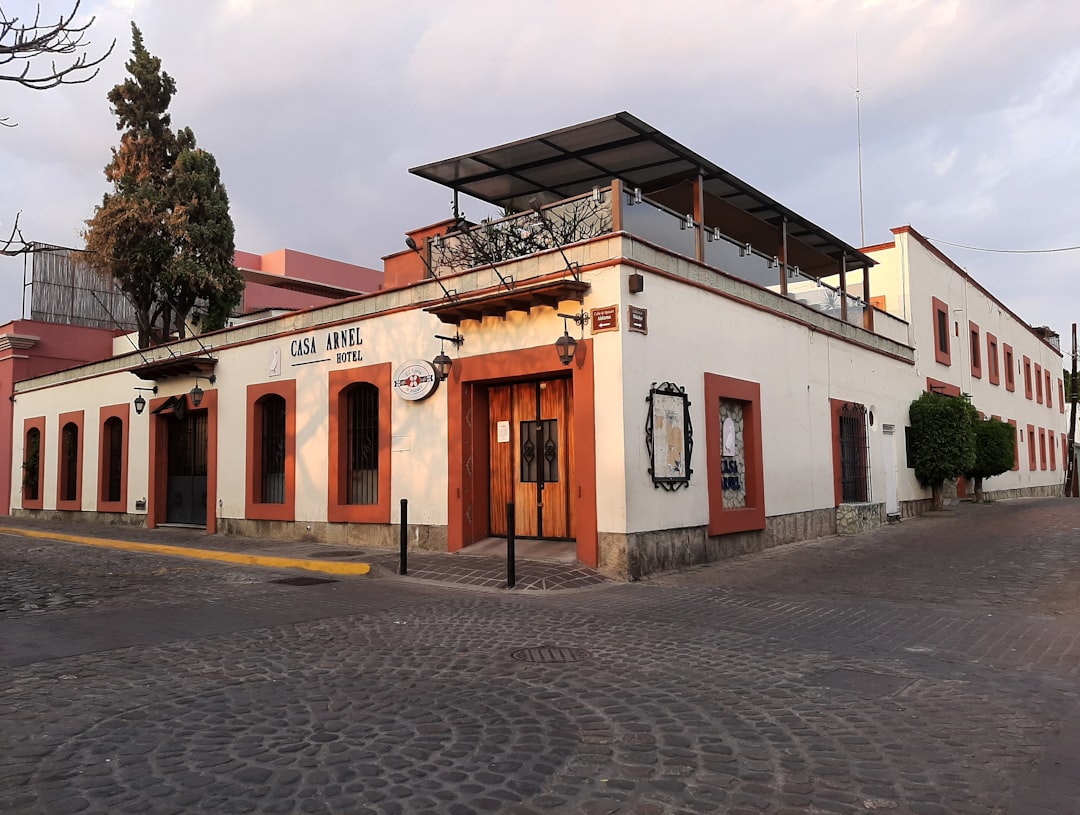
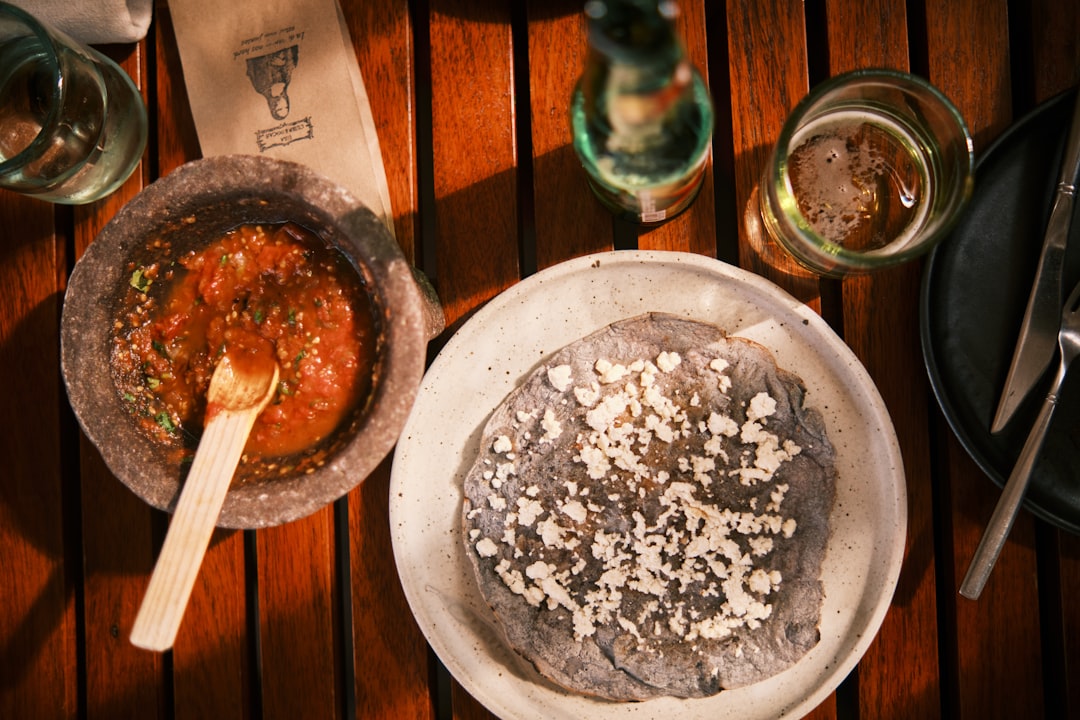
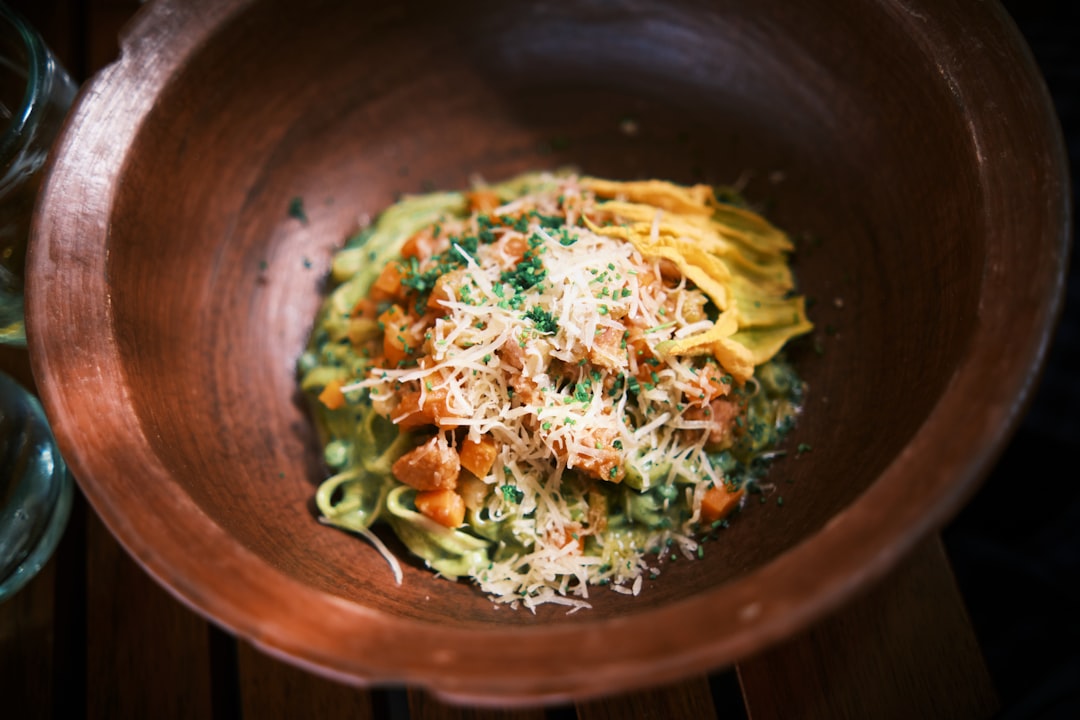
Moving to the high end, Criollo charges MX$800–900 per tasting plate. Its 4.2 rating from 2,766 reviewers yields a score of 87.2, only a few points below Almú Tilcajete despite the ten‑fold price jump. Criollo’s menu leans toward contemporary Oaxacan techniques, using locally sourced mole and heirloom corn in a tasting format that feels more like a culinary lab than a traditional cantina. The contrast between Criollo’s experimental approach and El Biche Pobre’s no‑frills street fare illustrates how Oaxaca serves both heritage and innovation under the same Mexican banner.
The three businesses also illustrate how geography shapes the scene. Almú Tilcajete sits a few blocks from the Zócalo, drawing diners who finish a museum visit and look for a polished yet familiar meal. El Biche Pobre operates near the bustling Mercado 20 de Noviembre, where the scent of fresh corn and chilies drifts through the alleys and the crowd is a mix of market shoppers and late‑night revelers. Criollo occupies a sleek space on Reforma Avenue, a street known for boutique hotels and art galleries, attracting guests who arrive on foot after a gallery hop and expect a dinner that matches the district’s upscale vibe.
Putting the numbers together, the best value appears at El Biche Pobre: a sub‑MX$50 meal that still scores above 87 on the quality metric. The market gap lies in the middle tier, where few venues combine a price of MX$300–500 with a rating above 4.5. Restaurateurs who can bridge that gap may find a receptive audience hungry for a step up from street stalls but not ready to pay premium tasting‑menu prices. Until then, Oaxaca’s Mexican‑restaurant landscape will continue to offer both affordable staples and high‑end experiments for every palate.