The lunch rush hits Santo Sabor by 12:30 p.m. A line snakes out the front door as regulars clap the counter to claim seats at the zinc-topped tables. The air smells of charred chiles and simmering stew, a fragrance that pulls you deeper into the room. Behind the counter, a server slices avocado with the precision of a jeweler. This is no tourist trap—Murguía 510 is a weekday refuge for teachers, artisans, and families who return for the same simple truth: food that nourishes body and wallet.
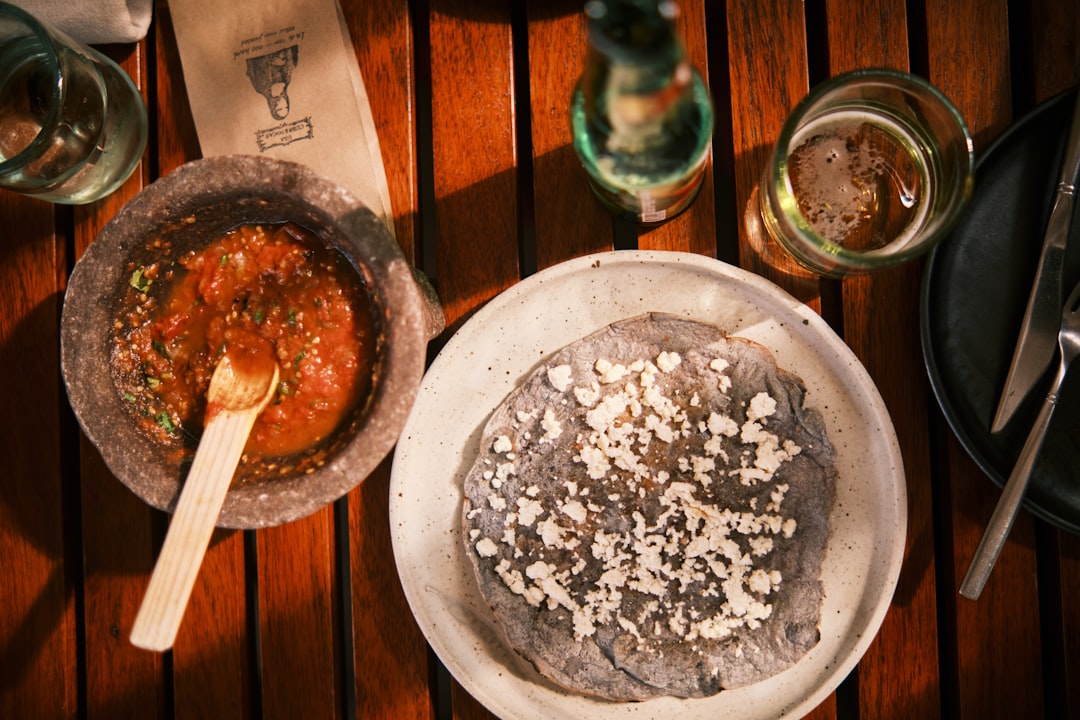
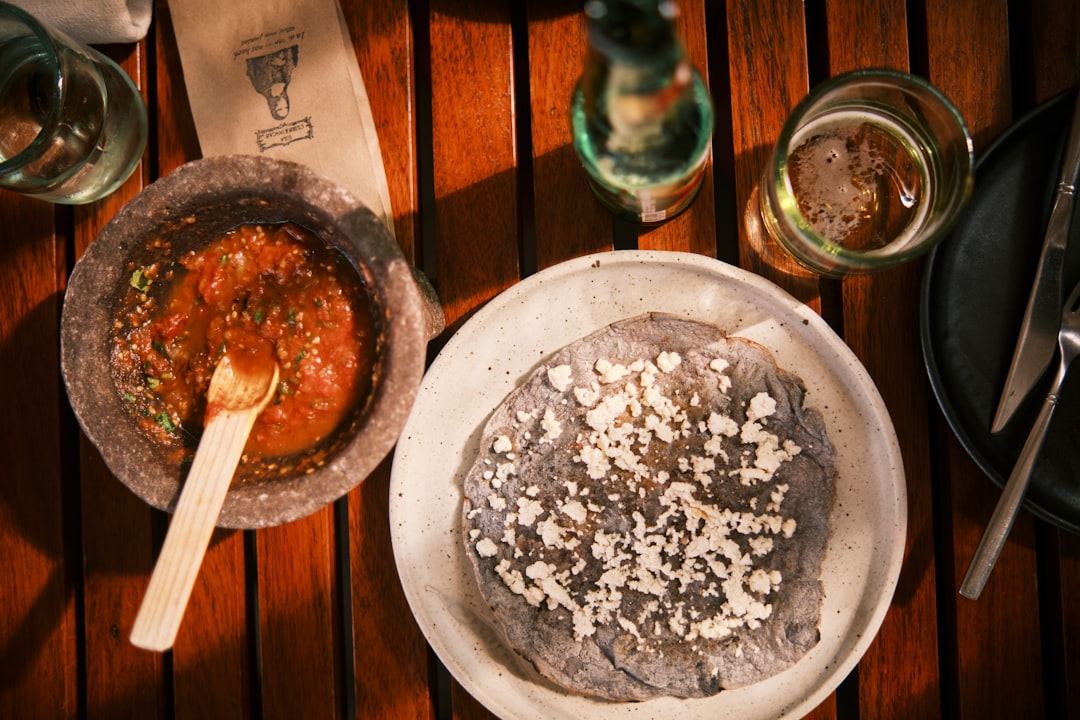
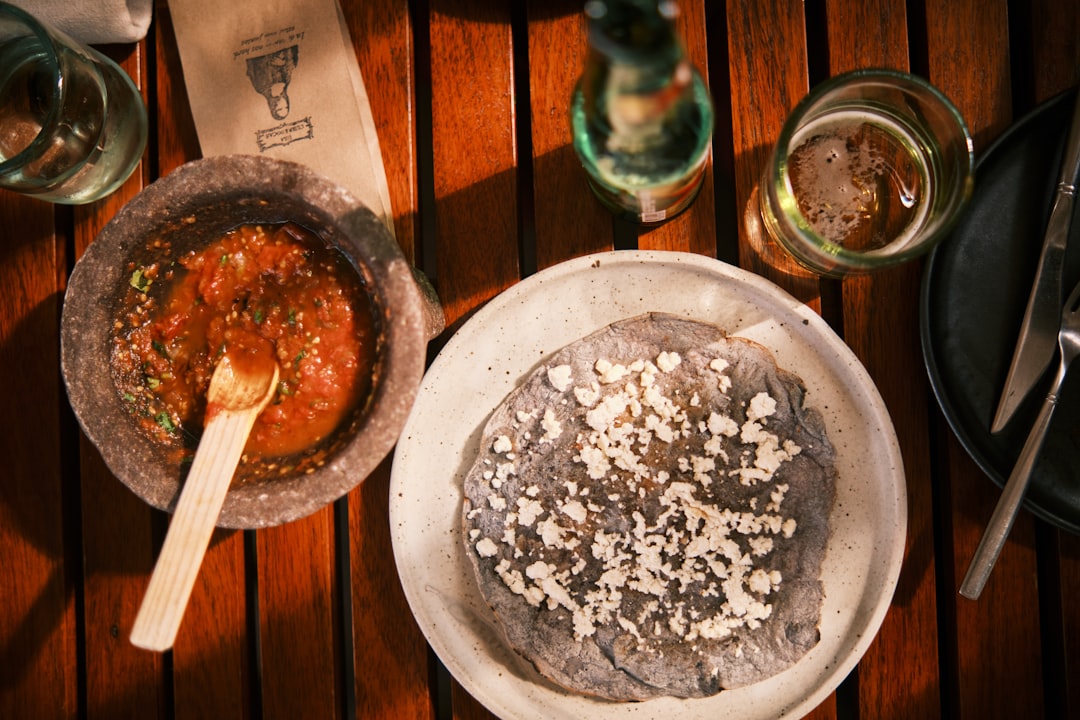
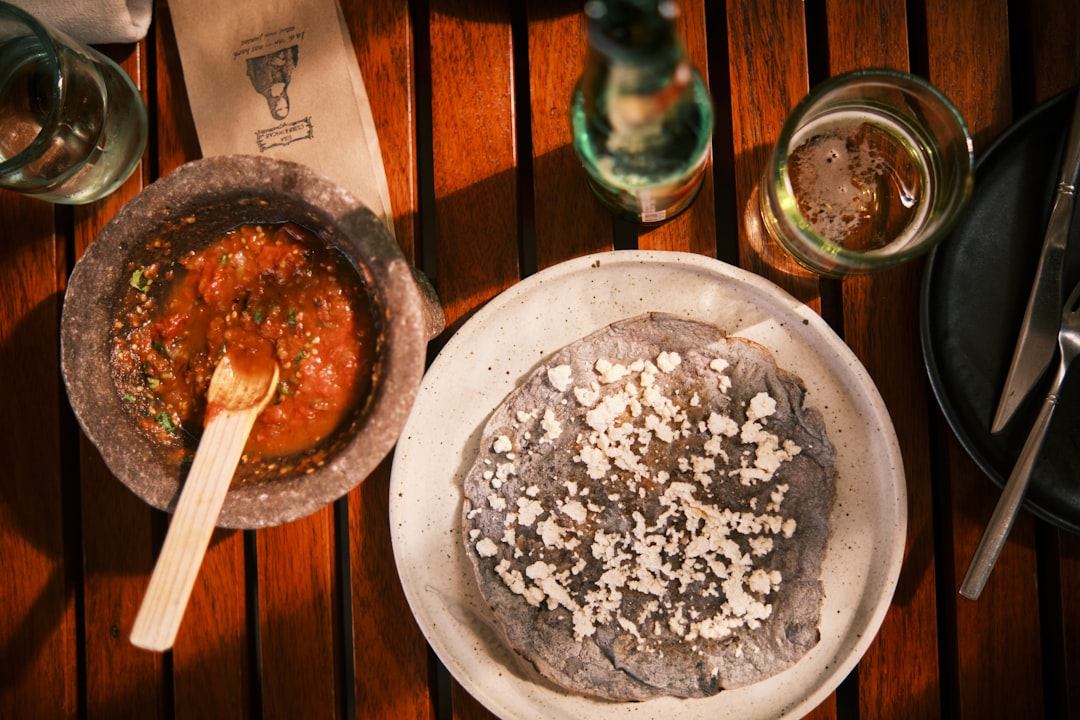
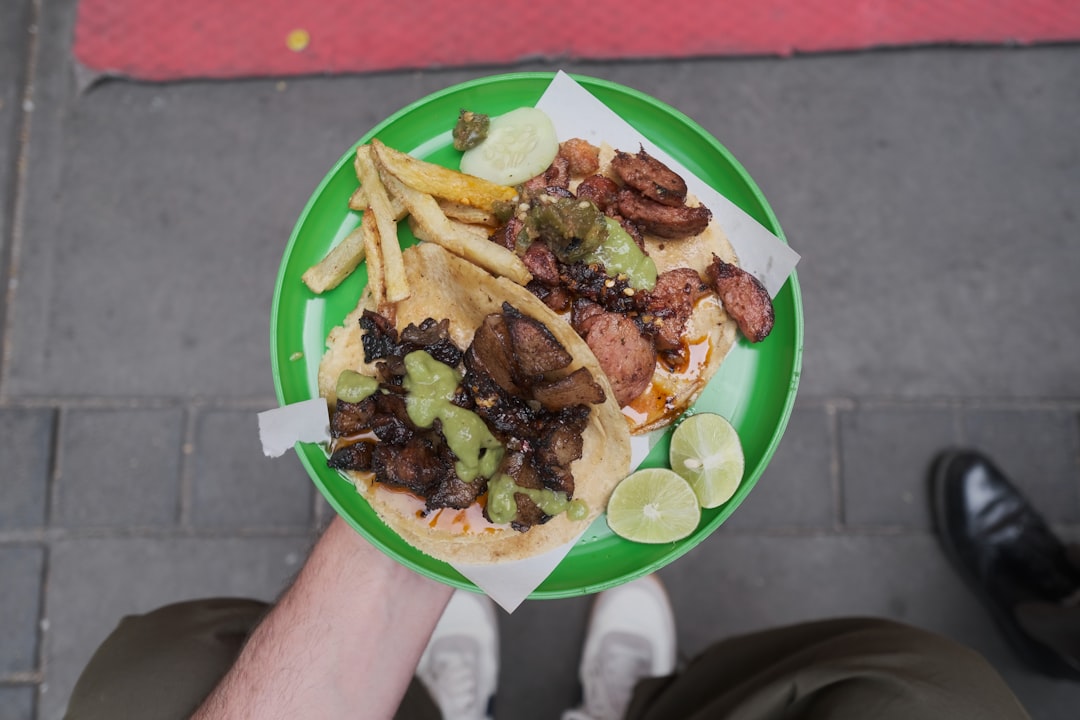
The signature tlayuda—their crispy, oblong Oaxacan corn cake—is loaded with chorizo, melted cheese, and a drizzle of smoky chile negro sauce (MX$85). One bite and you understand why the business score here is 89.0. The masa cracks under your teeth, then dissolves into a buttery warmth. Reviewers note the "rich food" and "vegetarian option" speciality stew, a lentil and squash medley that costs MX$45 and keeps coming back for more. The quiet, sunlit dining room feels like a secret shared between locals, its walls adorned with old family photos and handwritten menus.
Open from 9:30 a.m. to 5:30 p.m. (closed Sundays), Santo Sabor operates on a rhythm of efficiency. The lunch crowd thins by 2:30 p.m., giving way to afternoons where you might share a table with a retired schoolteacher reading the newspaper. Reviewers praise the "accessibility" and "value for money," with one noting, "It’s the same meal my abuela used to make." Another calls the "healthy" quinoa salads "a revelation for tourists." The price range MX$1–100 isn’t a gimmick—it’s a promise.
By 5 p.m., the kitchen shuts down with the punctuality of a train schedule. This is not a place for lingering. But the memory of that tlayuda lasts. You leave with crumbs in your coat pockets, the scent of herbs on your skin, and the certainty that Oaxaca’s soul isn’t just in its markets and museums—it’s in spots like this, where food is a language of care passed down in spoonfuls.