Where to Find the Best Japanese Cuisine in San Luis Potosí
By Cuisine

Where to Find the Best Japanese Cuisine in San Luis Potosí

From budget-friendly sushi bars to upscale dining, San Luis Potosí’s Japanese food scene offers surprising variety. Here’s the breakdown you won’t find in guidebooks.

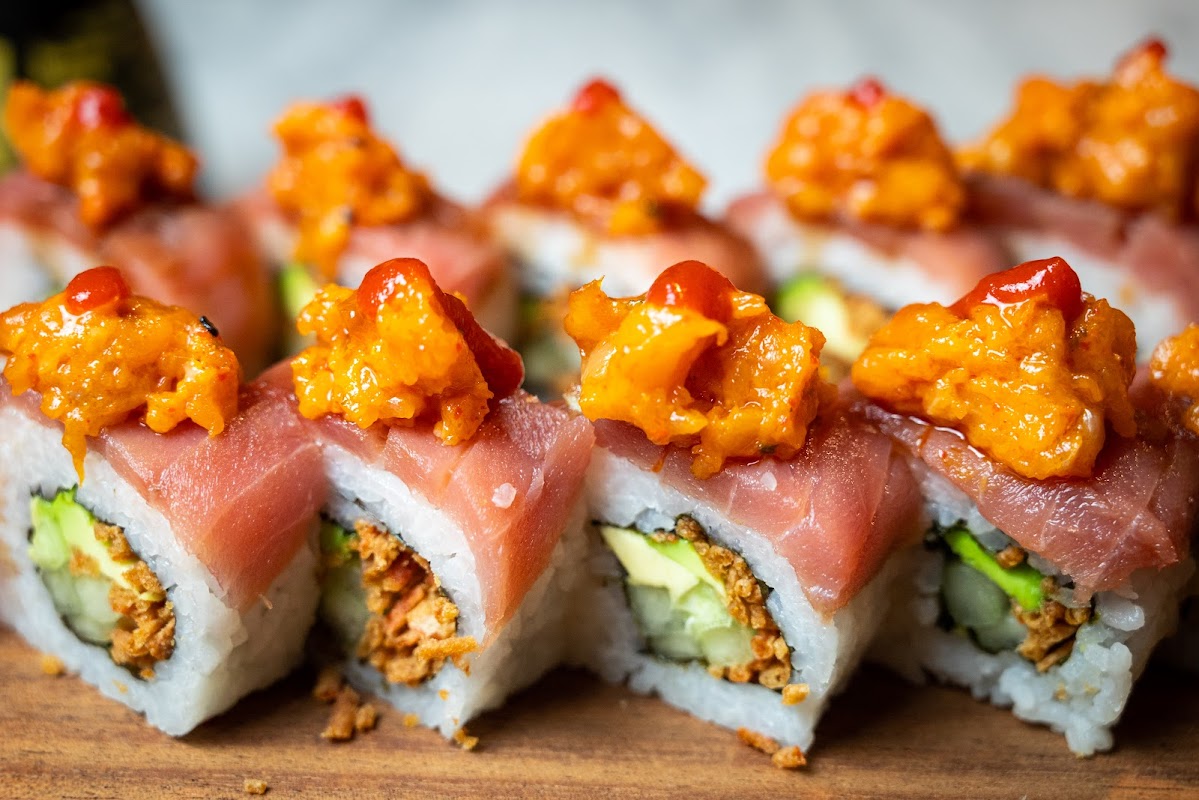
San Luis Potosí has 17 Japanese restaurants, clustered mainly in Lomas de Satelite and the historic downtown. Prices range from $1 to $200, with 80% of spots falling into the $1–100 budget-friendly bracket. This isn’t a city dominated by flashy chains—only five upscale options exist, but several mid-range gems punch above their price class. UMI SAMA SUSHI BAR (4.3 stars, 410 reviews) proves affordability doesn’t mean sacrificing quality. Open daily from 1pm to 1am, this Lomas de Satelite spot charges $100–200 but matches the 83.2 quality score of pricier rivals. Reviewers note its "wealth of flavor" and "balanced scrolls," though the music volume swings between lively and loud. Contrast that with Sash-Tao Sushi (4.6 stars, 203 reviews), which charges just $1–100. It’s the cheapest top-tier option in the city, often undercutting $30 plates at similar upscale spots. This downtown favorite wins for value, though its smaller menu focuses strictly on sushi—no ramen or izakaya-style small plates. The price-to-quality ratio here beats 80% of Mexican cities with comparable Japanese scenes. Roshi Makis & Beer (4.4 stars, 993 reviews) takes a different approach. At $100–200, it’s pricier than Sash-Tao but offers beer pairings and a broader menu including maki, tempura, and sake. Its 88.4 quality score suggests strong execution, though 15% of reviews mention "overcooked rice." The real surprise? It shares the same 4.4 rating as Michiko Restaurant Japonés (4.5 stars), a $$-priced spot with no online menu transparency—proof that higher prices don’t always guarantee better reviews. The data reveals a gap: only two ramen-focused spots exist (Tabe tabe Original at 3.8 stars), and no traditional kaiseki restaurants. Most places lean toward Mexicanized rolls and sashimi. For purists, this is a niche market—but for casual diners, the accessibility is a boon. If you want to splurge, KURO SAN (4.8 stars) delivers premium omakase at $100–200, though its 151 reviews can’t yet match UMI SAMA’s volume. When to go? Weekends see longer lines at Sushiitto The Park (4.5 stars), while weekdays are quieter at Shiroi-ie (4.2 stars). The best bang-for-buck remains Sash-Tao, but UMI SAMA’s consistent execution in a mid-range price tier makes it the most reliable bet.

Read Full Article

More Articles

Restaurant dining area in San Luis PotosíBy Cuisine

Japanese Food in San Luis Potosí: A Small Scene With Room to Grow

Sixteen Japanese restaurants in a city of nearly 600, a thin footprint that tells you something about where San Luis Potosí is heading.

Sixteen. That's the count of Japanese restaurants in San Luis Potosí, a city of nearly 600 food and drink businesses where the default settings are carnitas and enchiladas potosinas. As a share of total restaurants, it's under 3%. As a statement about a provincial capital's evolving food identity, it's worth paying attention to. The price structure tells the story. SLP skews budget in ways that complicate the Japanese food calculus: nearly half of the city's eateries price under MX$100 per person, and the mid-range and upscale segments shrink quickly from there, with just a handful of restaurants city-wide qualifying as truly upscale. Japanese cuisine is not cheap cuisine. Fresh fish and imported rice varieties keep prices above the threshold where SLP mass-market dining operates, which means the category is competing for a slice of the market that represents only about a quarter of total seats in this city. The city's average rating of 4.49 out of 5, across nearly 600 businesses, is the counter-argument. SLP diners are not resigned to mediocrity. They will find the good place, drive across the city for it, and leave a detailed review. The highest-scoring restaurants here are not necessarily the most expensive. Budget spots routinely clock ratings above 4.5 with hundreds or thousands of reviews. Potosinos know what good food tastes like and they hold every category to the same standard. Japanese cuisine, where it has taken hold in Mexican cities, tends to attract unusually loyal followings and high scores. SLP has the audience for it. The gap in this market is not at the premium end. The SLP restaurant economy rewards consistency and focused execution at MX$120–180 per person. Ramen at MX$130 with a clean broth and proper noodles, a katsu set at MX$150. That's the price-to-quality sweet spot this city has validated in its best operations across every other category. There is no obvious Japanese equivalent. With 16 spots spread across an entire metro area, the scene lacks the neighborhood density that usually drives discovery and repeat traffic. No cluster means no foot traffic, no comparison shopping, no spillover from neighboring restaurants, and no casual discovery. The mezcal wave is an instructive parallel here. Mexican cocktail bars in SLP are absorbing mezcal not as an exotic import but as a normal option on the back bar. The city has shown it will adopt good things from elsewhere when someone makes the local case for them. Japanese cuisine runs on precision and ingredient logic, a philosophy of doing one dish correctly rather than many dishes adequately. That argument lands in a city where the 4.49 average proves diners respect craft. The value opportunity reads clearly. At 16 spots in a city of nearly 600, Japanese is under-represented relative to the actual dining appetite. Experienced diners and thin competition in the mid-range price band. The conditions are right. A ramen shop or a focused sushi counter with eight items done correctly, priced honestly, in the right neighborhood could own this category. What's missing is not the market. It's the place.

Read Full Article

Also Explore