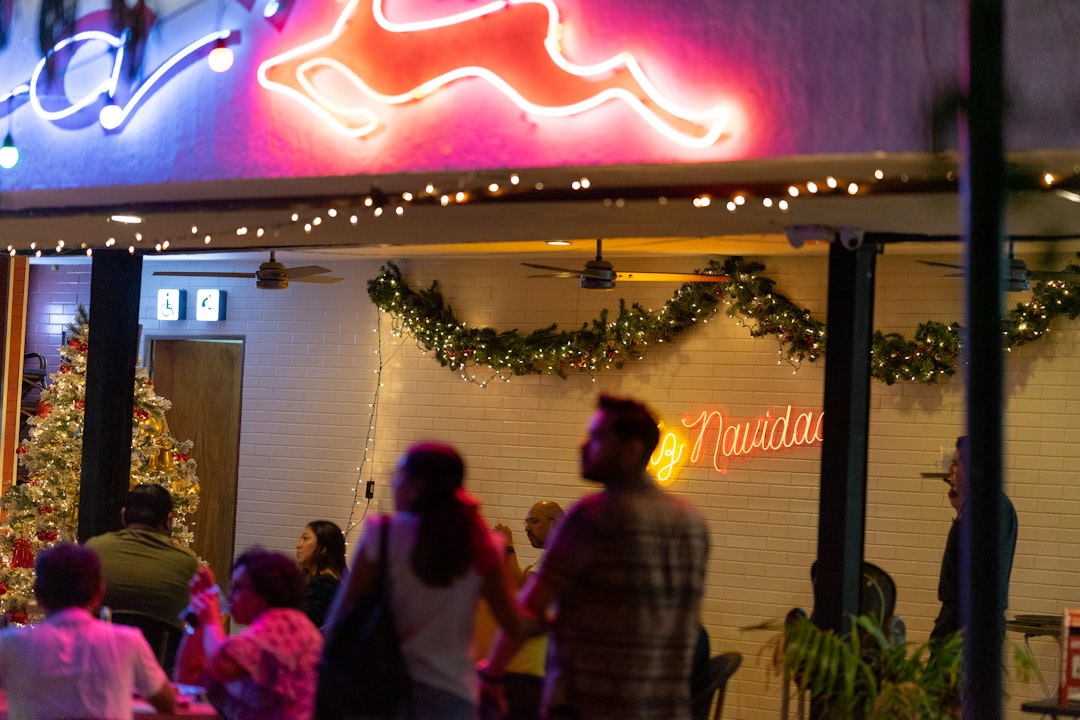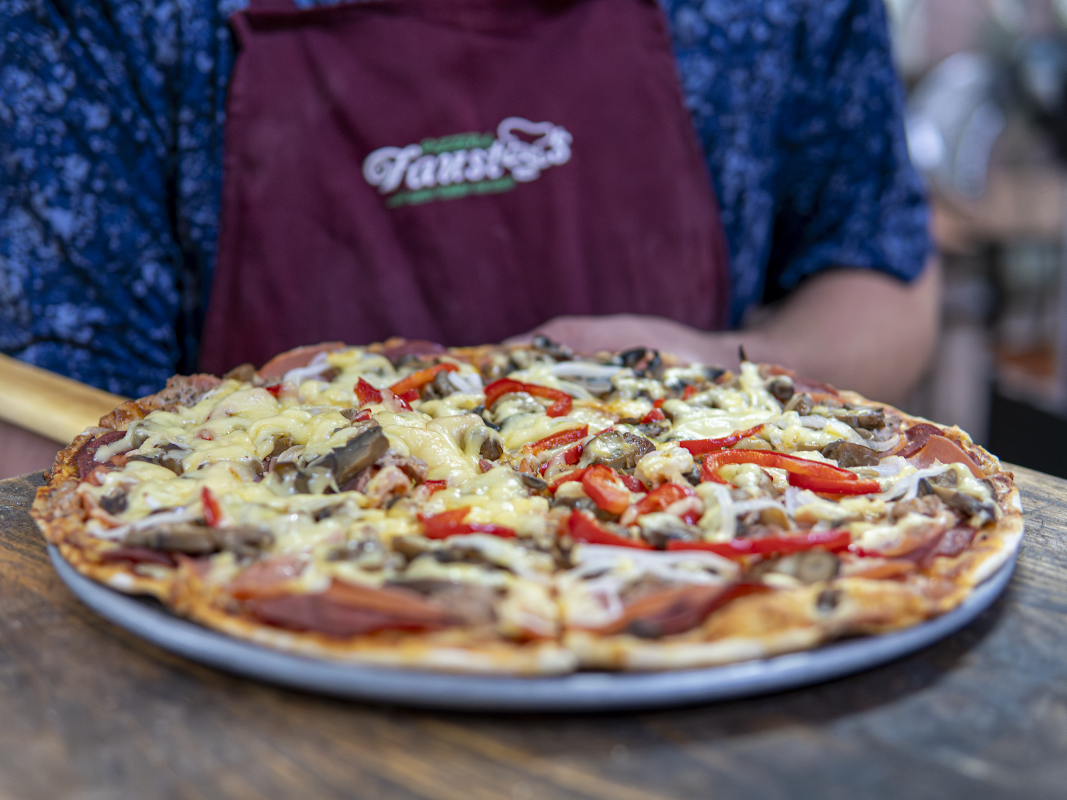
At 8 PM on a Thursday, the line at Fausto’s | Pizzeria snakes past the doorway. Calle 62 hums with energy as locals and tourists crowd the wooden booths. The air smells of garlic, oregano, and molten cheese. Behind the counter, a chef slings dough with the precision of a craftsman, his station a blur of flour and fire. I’m here for the "Yucatecan Special"—a pizza crowned with housemade mozzarella, roasted eggplant, and a drizzle of habanero-infused olive oil. It’s a dish reviewers call "rich but balanced," with the smoky heat of the region’s chiles cutting through the creamy cheese.
Fausto’s has been a Mérida staple since 2015, blending Italian techniques with Yucatecan ingredients. The "Cannelloni Classico," stuffed with spinach and béchamel, draws repeat customers for its "perfect al dente texture." Prices range from MX$89 to MX$129, but the value shines in portions—my slice fed half my dinner table. The menu’s "Yucatecan twist" comes through in unexpected ways, like the "Cocina Tradicional," where slow-cooked black beans replace the usual tomato sauce.
A block away, Il Calabrese Pizzería offers a different rhythm. Open nightly from 6 PM to 11:30 PM, its stone-floored patio glows with string lights. Here, the wood-fired oven is the star, its 500°C heat charring the crusts of "Napoli" and "Quattro Formaggi." A regular from Mérida’s Centro histórico puts it plainly: "The dough here tastes like Naples, but the service feels like home." For MX$129, the "Calabrese Special" arrives with spicy nduja sausage and caramelized onions, its crust crisp yet chewy—a testament to the pizzeria’s "stone-baked authenticity."
Both spots thrive on simplicity. Fausto’s focuses on "traditional recipes, no gimmicks," while Il Calabrese’s owner insists on "only San Marzano tomatoes." The contrast is subtle but telling: Mérida’s pizza scene isn’t about fusion for fusion’s sake—it’s about honoring each craft. By 10 PM, both pizzerias are quiet, their ovens smoldering. Left with a half-eaten slice and a full stomach, I realize these aren’t just places to eat. They’re anchors for a community that takes pizza as seriously as it takes its history.