Mérida hosts 32 Japanese restaurants among its 541 total food businesses. The city’s average rating sits at 4.51 and the average quality score is 80.8. When you break the price buckets down, 178 places fall into the budget tier, 165 sit in the mid‑range, and only six claim upscale pricing. The Japanese venues cluster in three neighborhoods: Hacienda Sodzil Nte., Caucel and El Árbol, each offering a different vibe.
Bla, Bla & Sushi – Caucel anchors the budget end. It lists a price range of MX$1–100, yet it holds a solid 4.6 rating from 1,209 reviewers and a quality score of 85.6. The shop sits on a busy street in Caucel, where the scent of rice vinegar mixes with street‑side chatter. Reviewers often point to the crisp tuna nigiri that costs just MX$45 and the generous maki rolls that stay under MX$80. Open every day from 1:30 PM to 10 PM, the place attracts a steady lunch crowd looking for quick, reliable sushi without breaking the bank.
A step up lands you at Miyabi | El Árbol. The menu is tagged as $$, which translates to a mid‑range price band in Mérida. Miyabi earned a 4.5 rating from 2,738 reviewers and a quality score of 85.0. The restaurant sits under the shade of mango trees in the El Árbol district, where the interior blends modern woodwork with traditional Japanese motifs. A signature tempura udon bowls at MX$150, while a set of six sashimi pieces goes for MX$180. Reviewers praise the balance of flavors and the attentive service that feels personal despite the higher price tag.
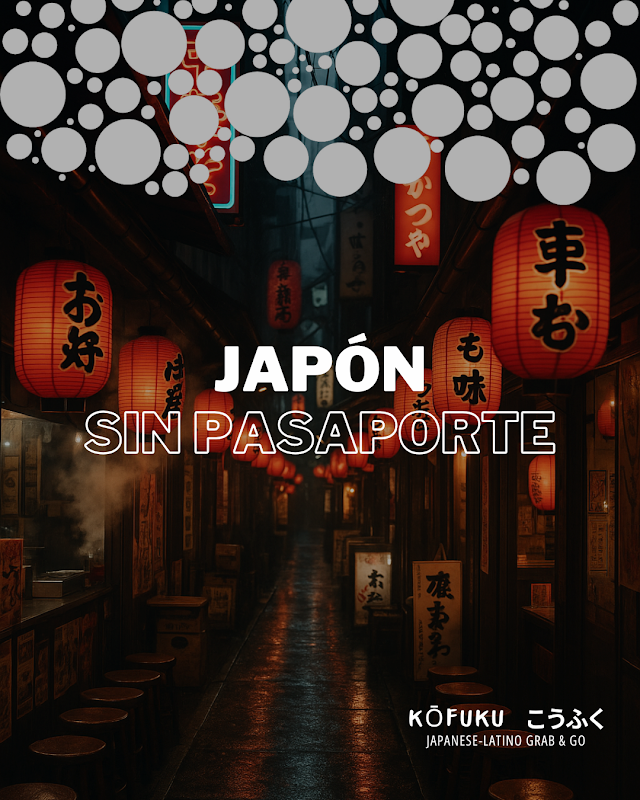
At the upscale end, Kōfuku on Calle 32 in Hacienda Sodzil Nte. commands MX$100–200 per plate. Its 4.8 rating, backed by 683 reviews, pushes its quality score to 90.8, the highest among the three. The restaurant opens early on Saturdays at 9 AM, offering a brunch sushi taco that mixes Mexican corn tortillas with fresh fish. Evening service runs until 10 PM, and the menu includes a blue‑crab bao that reviewers describe as “silky” and “surprisingly bold”. The ambience is quiet, with soft cymbal tones playing in the background, giving the space a refined feel.
Comparing price to quality reveals a clear pattern. Bla, Bla & Sushi delivers a 4.6 rating for under MX$100, while Kōfuku reaches 4.8 but costs at least MX$100 more per plate. Miyabi sits between them, offering a 4.5 rating at a mid‑range price. In raw numbers, the budget spot achieves a quality score only five points lower than the upscale Kōfuku, despite charging a fraction of the price. That gap suggests a strong value proposition for cost‑conscious diners who still want a high‑scoring experience.
The data points to a market that rewards consistency over extravagance. For diners seeking the best bang for their peso, Bla, Bla & Sushi stands out as the surprise winner. Meanwhile, the upscale segment remains thin, with only six venues citywide, leaving room for another high‑quality sushi house that can bridge the price gap between Kōfuku and Miyabi. Until then, Mérida’s Japanese scene offers a clear ladder: affordable excellence, solid mid‑range, and a handful of premium spots for special occasions.
Read Full Article