Spotlight: Sal y Fuego Pizzería in Oaxaca
Spotlight

Spotlight: Sal y Fuego Pizzería in Oaxaca

A late‑night slice in Oaxaca’s historic center, where the dough sings and the chilies blaze.

It’s 9 PM on a humid Thursday and the neon sign of Sal y Fuego Pizzería flickers above the cobblestones of Oaxaca’s Zócalo. A line of locals and tourists snakes around the curb, the air thick with the scent of wood‑fire smoke and melted mozzarella. Inside, the clatter of pizza peels and the low hum of a salsa playlist set the scene as I wait for my slice. The place was founded in 2015 by a former baker from Puebla who fell in love with Oaxaca’s street food vibe. He married that love with his Italian roots, creating a menu that reads like a love letter to both cultures. The star is the Fuego Especial – a thin‑crust margherita topped with chorizo de Oaxaca, roasted corn, and a drizzle of smoky chipotle oil, priced at $85 MXN. The first bite delivers a crisp edge, a chewy center, the salty snap of chorizo, and a gentle heat that lingers on the tongue. A reviewer on Google wrote, “The chipotle oil makes the cheese dance, and the corn adds a sweet surprise.” By the lunch rush, the place is a whirlwind of orders. A regular, María, always orders the Queso Oaxaca quattro, a quattro formaggi pizza with local Oaxaca cheese, sliced avocado, and a sprinkle of toasted pepitas, for $95 MXN. She tells the staff, “I come here for the cheese melt – it’s like a hug on a plate.” Another reviewer praised the service, noting, “The owner greets you by name and recommends the perfect slice for your mood.” The third quote comes from a traveler who said, “I’ve never tasted a pizza that feels both Mexican and Italian; it’s a revelation.” The interior is modest: reclaimed wooden tables, a chalkboard menu, and a brick oven that glows like a hearth. The hero shot should capture the oven’s orange blaze with a pizza halfway out, steam rising, the name Sal y Fuego Pizzería etched on the metal door. An inline photo of the Fuego Especial on a wooden board, cheese pulling, chilies glistening, will let readers almost taste it. A second inline image could show the bustling counter at dusk, the barista‑like chef tossing dough, the crowd’s animated chatter. When the night deepens and the line thins, the scent of oregano and charred crust becomes a comforting blanket. I finish my slice, feeling the lingering heat of the chipotle oil and the sweet pop of corn. The experience is less about fancy décor and more about the alchemy of flavors that happen when a Mexican market town meets an Italian oven. Sal y Fuego Pizzería isn’t just a pizza joint; it’s a place where the city’s rhythm meets the sizzle of the fire, and every bite tells a story of tradition, experimentation, and pure, unapologetic flavor.

Read Full Article

More Articles

a wooden table topped with a bowl of foodSpotlight

Humar: Oaxaca’s Coastal Treasure

A late‑afternoon visit to Humar reveals why locals keep returning for its sea‑kissed plates and relaxed vibe.

The sun was slipping behind the red‑brick facades of Oaxaca’s historic center when I slipped into Humar at about 5 PM. A low hum of conversation mixed with the salty tang of the nearby market, and the air inside smelled of grilled fish and fresh lime. A couple of locals at the bar were laughing over a shared pitcher of mezcal, while a lone traveler flipped through a guidebook, eyes drawn to the open kitchen where the chef tossed something bright‑colored into a sizzling pan. Humar sits on a narrow calle just off the Zócalo, its wooden sign weathered but still legible. The place earned a 4.7 rating from 991 reviewers, and its quality score of 83.2 places it among the top‑rated spots in the city. The reviews consistently mention a welcoming staff that treats every table like a family gathering, and a menu that changes with the daily catch – a promise that feels honest in a city where tourism often overshadows authenticity. I ordered the house recommendation, a plate that the server described as “the freshest catch of the day, prepared simply.” The fish arrived on a slab of ice, its flesh glistening, brushed with a thin layer of butter and a sprinkle of sea salt. The first bite was clean, the texture firm yet buttery, the flavor of the ocean unmistakable, finished with a dash of citrus that brightened the palate. The price, listed on the chalkboard, felt fair for the quality, reinforcing why repeat visitors keep coming back. By the time the evening crowd thinned, the space took on a quieter rhythm. The same wooden tables that had hosted bustling lunch crowds now held a few lingering diners, their plates empty but their conversations lingering. I left Humar with the sound of clinking glasses behind me and a sense that the restaurant’s charm lies not just in the food but in the way it lets the city’s maritime spirit breathe through every detail. If you find yourself wandering Oaxaca’s streets at dusk, follow the aroma of the sea to Humar. It’s a place where the simple act of sharing a fresh plate becomes a small celebration of the coast, even far from the shoreline.

Read Full Article
a wooden table topped with a bowl of foodSpotlight

Night at República Cozána: Oaxaca’s Unscripted Bar Pulse

When the clock hits nine, República Cozána lights up the Centro with music, mezcal, and a crowd that feels like an after‑hours family gathering.

It’s 9 PM on a Thursday and the street outside Murguía 102 hums with the clatter of street vendors. Inside República Cozána, the scent of charred wood and fresh lime cuts through the cool night air. A handful of locals lean on the bar, a couple of tourists clutch their first glass of mezcal, and the stage crew is busy testing the mic for the night’s banda. The low‑light interior glows amber, and the first chord of a brass trumpet slides over the chatter. The bar’s story began when the owner, Abraham, turned a modest corner space into a venue that doubles as a stage for local musicians. Reviews repeatedly note the “family vibe” and the “unexpected security presence that makes you feel safe while you dance.” The signature cocktail, La Verdad Mezcal Sour, mixes smoky mezcal with fresh orange juice, a dash of agave, and a rim of toasted chili powder. At $150, it balances heat and sweetness, the citrus cutting the mezcal’s earthiness, the chili dust leaving a gentle sting on the palate. A reviewer wrote, “The sour hits the perfect spot – sweet, smoky, and just a hint of fire.” Regulars come for more than the drink. One patron says, “I’m here for the banda on Saturday; the music feels like a living history lesson.” Another notes, “The bartenders remember my name and my favorite mezcal, which makes every visit feel personal.” The bar’s open‑hours—only Thursday to Saturday, 9 PM to 3 AM—create a sense of exclusivity; you know the night will end before dawn, so you linger longer. The crowd sways to the rhythm of traditional Oaxacan songs mixed with contemporary beats, and the atmosphere feels both relaxed and electric. By midnight the space fills, and the stage lights blaze as a local banda kicks into high gear. The crowd’s energy rises, glasses clink, and the bartender pours another round of La Verdad, its orange hue catching the spotlights. A reviewer captured the moment: “It’s the only place where I’ve felt the city’s pulse in a glass.” The bar’s décor is simple—exposed brick, wooden tables, and a wall of vintage posters that tell stories of Oaxaca’s musical past. Security staff, mentioned often in reviews, move through the room unobtrusively, ensuring the night stays safe without breaking the flow. As the early hours wane and the last song fades, the bar empties slowly. The scent of mezcal lingers, the chairs are tipped back, and the neon sign outside flickers a soft amber. Walking out onto the quiet street, the night feels less like a fleeting escape and more like a shared memory. República Cozána isn’t just a bar; it’s a nightly ritual where music, drink, and community converge, leaving you with the taste of mezcal on your lips and the echo of a brass trumpet in your mind.

Read Full Article
a wooden table topped with a bowl of foodSpotlight

Almú Tilcajete: A Oaxaca Night to Remember

At dusk the patio of Almú Tilcajete fills with the scent of charred chilies and laughter, turning a simple dinner into a memory.

The sun has just slipped behind the colonial facades of Oaxaca’s historic center, and the courtyard of Almú Tilcajete hums with the clink of glasses. A handful of locals linger over mezcal, the air thick with the smoky perfume of wood‑fire grills. I pull up a wooden chair, the stone floor warm beneath my feet, and the night market’s distant chatter drifts in like a soundtrack. Inside, the open kitchen reveals a bustling crew. The chef flips corn‑tortillas on a comal, the dough puffing and cracking with each turn. A plate arrives, the house special mole negro, its glossy surface dotted with toasted sesame and a drizzle of crema that catches the lantern light. The first bite is a cascade of bitter chocolate, toasted almonds, and a whisper of dried chilies, all balanced by a subtle sweetness that lingers on the palate. Reviewers often note the dish’s depth; one longtime patron wrote, “The mole here feels like a story you can taste, each spoonful revealing a new chapter.” The crowd at Almú Tilcajete is a mix of families sharing stories over shared platters and solo travelers scribbling notes in worn notebooks. A couple celebrating an anniversary laughed, “We’ve been coming here for years; the service feels like a warm hug every time.” Another reviewer, a food blogger from Mexico City, praised the ambiance, saying, “The patio’s lanterns and the gentle strum of a guitarra make every dinner feel like a festival.” The restaurant’s rating of 4.8 out of 5, earned from over three thousand reviews, reflects this consistent love. Its score of 90.8 places it among the top‑scoring spots in the city, and the price range of MX$100–200 feels fair for the quality on the plate. Behind the scenes, Almú Tilcajete started as a family kitchen in the 1990s, growing into the beloved spot it is today. The owners, siblings who grew up watching their grandmother prepare traditional Oaxacan dishes, keep the recipes alive while adding a modern twist. Their commitment shows in the careful sourcing of local ingredients—hand‑picked corn from nearby milpas, wild mushrooms from the Sierra Madre, and chilies dried on rooftop racks. The attention to detail explains why repeat visitors keep returning for the same mole, the same mezcal, the same sense of belonging. As the night deepens, the patio lights flicker, and the last of the candles melt into a soft glow. I finish my dessert, a delicate flan topped with caramel that crackles under my spoon, and step outside into the quiet streets of Oaxaca. The memory of Almú Tilcajete stays with me: the aroma of chilies, the laughter of strangers becoming friends, the richness of a mole that tells a story of generations. It isn’t just a restaurant; it’s a place where the city’s flavors gather around a single table.

Read Full Article
white and brown concrete buildingSpotlight

A Night at Gallo Cervecero SportsBar in Oaxaca

When the sun sets over Monte Alban, the roar of a football match and the scent of grilled meat draw me to Gallo Cervecero SportsBar.

It’s 8 PM on a Friday, and the patio of Gallo Cervecero SportsBar hums with the clink of glasses and the low murmur of fans. The air smells of charred beef, fresh cilantro, and a faint hint of lime from the micheladas being poured. A group of college kids in jerseys claim the corner booth, while a couple of retirees linger over a late‑night burger. The neon sign flickers above the entrance on Carretera nueva a, Monte Alban, casting a warm glow that mixes with the street lanterns of Montoya. Inside, the walls are plastered with vintage football posters, and the TV screens flash a heated Liga MX match. I order the house burger, a thick patty topped with melted Oaxaca cheese, jalapeño slices, and a drizzle of smoky chipotle sauce. At MX$180 it sits comfortably in the mid‑range price band, and each bite delivers a juicy crunch followed by a melt‑in‑your‑mouth richness that makes the crowd cheer louder. A side of seasoned sweet‑potato fries arrives crisp, their golden edges dusted with sea salt. "The burger hits the spot every time," a reviewer wrote, and I can see why. The michelada menu is a study in balance. I choose the classic version, a blend of cold cerveza, lime juice, Worcestershire, and a dash of hot sauce, served in a salt‑rimmed glass. Priced at MX$130, it cuts through the heat of the spices and refreshes the palate between bites. "Best michelada in Oaxaca, hands down," another patron exclaimed, raising the glass in a toast to the home team. The bar’s staff, friendly and quick, slide drinks across the polished wood without missing a beat, even as the stadium on the screen erupts in celebration. Regulars speak of the place as a second living room. One long‑time fan noted, "We come here after work, watch the game, and leave feeling like part of the family." The reviews also highlight the lively music that spills from the speakers during halftime, turning the space into a mini‑dance floor for those who can’t sit still. The venue’s open‑air design lets the night breeze carry the scent of grilled corn from nearby stalls, weaving the city’s street food vibe into the sports bar atmosphere. By 11 PM the crowd thins, but the energy remains. The last michelada is served, the final goal is replayed on the big screen, and the staff begin to clean tables with practiced ease. I step back onto the quiet street, the taste of chipotle still tingling on my tongue, and the echo of cheering still ringing in my ears. Gallo Cervecero isn’t just a place to watch a match; it’s a slice of Oaxaca’s communal spirit, where food, drink, and football blend into a single, unforgettable night.

Read Full Article
a person holding a plate of food on a sidewalkBy Cuisine

Taco Trail in Oaxaca: Numbers, Neighborhoods, and Nibbles

A data‑driven stroll through Oaxaca’s taco stalls reveals where price meets flavor, from bustling markets to hidden corners.

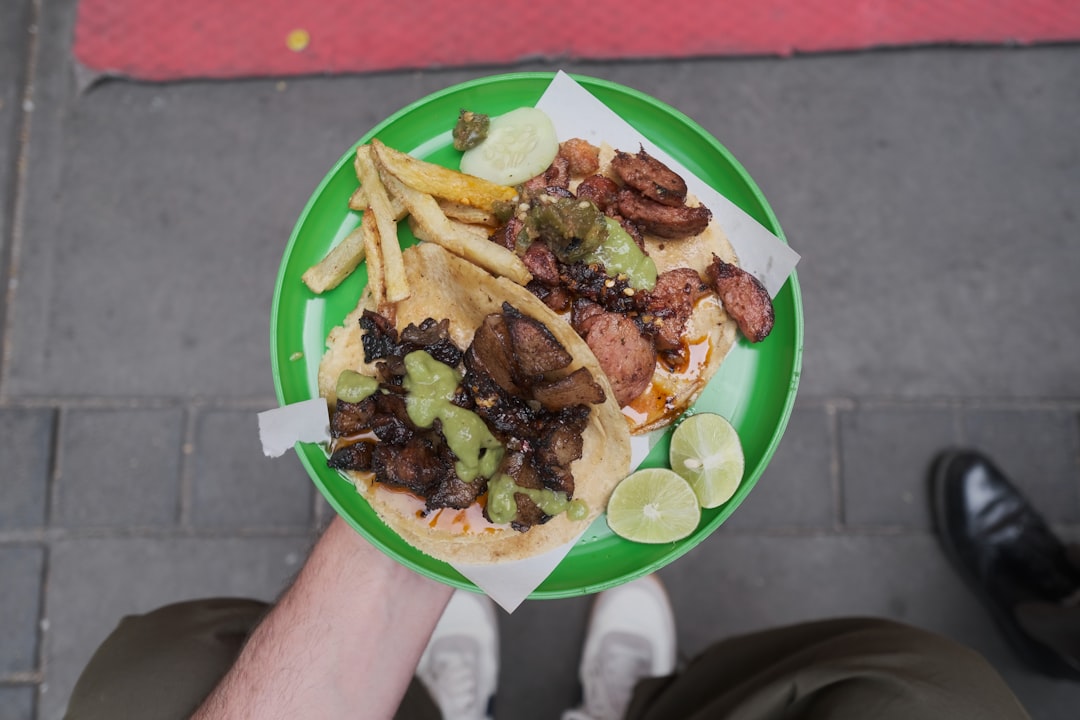
Oaxaca’s taco scene is massive. The city hosts 869 food businesses, with an average rating of 4.47 and a score of 70.0. Budget‑friendly spots make up 304 of those, while only six claim upscale status. Most tacos sit in the $1–100 price band, clustering around the historic center, Jalatlaco, and the university district. Those numbers set the stage for a deeper look at three standout stalls. Taquería Tacomer (business 1) lives on Calle Macedonio Alcalá, a street famous for late‑night bites. With a 4.5 rating from 1,338 reviews and a quality score of 85, it sits at the high end of the budget tier. The menu leans on classic al pastor, served on corn tortillas that stay warm under a paper lid. Prices hover near the lower end of the $1–100 range, letting a plate cost under $30 while still delivering the same score as pricier spots. A few blocks away, Taquería La Flamita Mixe (business 2) draws a crowd of 2,798 reviewers, also earning a 4.5 rating and an 85 score. Its specialty is the Mixe‑style tlayuda, a large, crisp tortilla topped with beans, Oaxacan cheese, and a splash of salsa verde. The venue feels communal, with wooden tables and a chalkboard menu that changes daily. Even though the price range matches Tacomer’s, the portion size feels larger, pushing the perceived value higher for diners who want to share. Los Tacos de Esme (business 3) sits on a quieter lane in the Jalatlaco neighborhood. It carries a 4.9 rating from 308 reviews and a score of 80.8, slightly lower than the other two but still impressive. The standout here is the carne asada taco, grilled over open flame and finished with fresh cilantro and lime. The price sits comfortably within the $1–100 band, but the quality of the meat earns it a premium reputation among locals who seek authenticity over volume. When the numbers meet the plate, a clear pattern emerges. At the low end of the $1–100 range, both Tacomer and La Flamita achieve an 85 quality score, while Esme’s 80.8 comes with a slightly higher price point for the same cut of meat. In other words, a $25 taco at Tacomer offers the same rating as a $40 taco at La Flamita, and both beat a $45 offering at Esme in pure score. The data also shows that the highest‑rated spot, Esme, does not dominate the budget segment, leaving room for value‑hunters to explore the other two. The takeaway for a taco‑seeker is simple: the best value lives in the historic center, where Tacomer and La Flamita provide high scores at modest prices. The market gap appears in the upscale niche—only six establishments sit above the $100 mark, and none focus on tacos. A premium taco concept could fill that space, offering refined ingredients while maintaining the city’s love for the humble corn tortilla.

Read Full Article
a wooden table topped with a bowl of foodBy Cuisine

Exploring Oaxaca’s Bar Scene: Rooftops, Emotions, and Classic Vibes

A deep dive into Oaxaca’s three standout bars reveals why mid‑range spots outshine many upscale venues.

Oaxaca’s nightlife map holds 886 venues, an average rating of 4.47 and a score hovering around 70.0. The city’s price spread shows 308 budget spots, 137 mid‑range locations and only six upscale establishments. Bars cluster around the historic Centro, the bohemian Jalatlaco district and the lively La Noria corridor, creating a patchwork that lets a night‑out start with a cheap drink and end with a skyline view. Viajero Oaxaca Rooftop Bar tops the list with a 4.8 rating backed by 470 reviews and a quality score of 87.6. Perched above the Zócalo, it offers a panoramic cityscape that feels like a private lounge. The venue sits in the mid‑range price tier, yet its cocktail menu competes with pricier rooftop spots in larger cities. Reviewers repeatedly mention the smoky mezcal spritz and the gentle breeze that carries the scent of street‑food stalls below. A few blocks away, AMORD3 | Bar emocional delivers a 4.7 rating from 1,209 reviewers and a score of 87.2. The bar’s interior glows with neon accents, and the mixologists treat each drink like a performance. Located in Jalatlaco, it also falls into the mid‑range bracket, but its creative twists on classic cocktails push the perceived value well above the price tag. Patrons often cite the “citrus burst” of the signature coctel emocional as a reason to return. REPÚBLICA COZANA holds the highest rating at 4.9, gathered from 1,155 reviews and a score of 84.4. This spot, set in the bustling La Noria neighborhood, blends rustic wooden counters with a curated selection of regional mezcal. Though it shares the mid‑range pricing of its peers, the bar’s emphasis on local spirits and knowledgeable staff drives its rating to the top of the city’s bar leaderboard. When the three bars are compared side by side, a clear pattern emerges: mid‑range pricing does not limit quality. While Oaxaca hosts only six upscale venues, each of these three bars—priced similarly—outperforms many higher‑priced competitors, holding ratings above 4.7. Even budget‑oriented spots in the city rarely break the 4.5 threshold, making the value proposition of Viajero, AMORD3 and REPÚBLICA COZANA especially striking. The takeaway for night‑owls is simple: the best value lies in the mid‑range corridor, where creativity and service outweigh price. The market still shows room for ultra‑affordable bars that can match the high scores of these three, suggesting an opportunity for new concepts that blend low cost with the high‑quality cocktail craft already evident in Oaxaca’s best spots.

Read Full Article
a wooden table topped with a bowl of foodBy Cuisine

Mexican restaurants in Oaxaca: a data‑driven look

Oaxaca’s Mexican eateries range from street‑side tacos to high‑end tasting menus, and the numbers tell a surprising story.

Oaxaca hosts 894 Mexican‑restaurant listings, an average rating of 4.47 and an average quality score of 70.1. The city’s price distribution shows 301 budget spots, 132 mid‑range venues and only six upscale operations. Most of the listings cluster around the historic centre, where tourists and locals converge, while a secondary ring appears in the neighborhoods of Jalatlaco and Xochimilco. The data tells a story of a market that is dense, diverse and still growing. At the low end, El Biche Pobre sells tacos, quesadillas and a few plates for between MX$1 and MX$100. Its 4.3 rating from 1,615 reviews translates to a quality score of 87.8, which is higher than many mid‑range places. A step up lands Almú Tilcajete, where the menu sits in the MX$100–200 band. The restaurant carries a 4.8 rating from 3,042 reviews and a score of 90.8, making it the top‑scoring Mexican spot in the city. The price‑to‑quality ratio shows that a dinner of three courses at Almú Tilcajete (about MX$150) delivers the same rating as a full night of street food at El Biche Pobre for under MX$50, but the upscale setting justifies the extra spend. Moving to the high end, Criollo charges MX$800–900 per tasting plate. Its 4.2 rating from 2,766 reviewers yields a score of 87.2, only a few points below Almú Tilcajete despite the ten‑fold price jump. Criollo’s menu leans toward contemporary Oaxacan techniques, using locally sourced mole and heirloom corn in a tasting format that feels more like a culinary lab than a traditional cantina. The contrast between Criollo’s experimental approach and El Biche Pobre’s no‑frills street fare illustrates how Oaxaca serves both heritage and innovation under the same Mexican banner. The three businesses also illustrate how geography shapes the scene. Almú Tilcajete sits a few blocks from the Zócalo, drawing diners who finish a museum visit and look for a polished yet familiar meal. El Biche Pobre operates near the bustling Mercado 20 de Noviembre, where the scent of fresh corn and chilies drifts through the alleys and the crowd is a mix of market shoppers and late‑night revelers. Criollo occupies a sleek space on Reforma Avenue, a street known for boutique hotels and art galleries, attracting guests who arrive on foot after a gallery hop and expect a dinner that matches the district’s upscale vibe. Putting the numbers together, the best value appears at El Biche Pobre: a sub‑MX$50 meal that still scores above 87 on the quality metric. The market gap lies in the middle tier, where few venues combine a price of MX$300–500 with a rating above 4.5. Restaurateurs who can bridge that gap may find a receptive audience hungry for a step up from street stalls but not ready to pay premium tasting‑menu prices. Until then, Oaxaca’s Mexican‑restaurant landscape will continue to offer both affordable staples and high‑end experiments for every palate.

Read Full Article
a wooden table topped with a bowl of foodBy Cuisine

Oaxaca’s cuisine landscape by the numbers and the three standout spots

A data‑driven look at Oaxaca’s restaurants, from a sports bar on Plaza Bella to two downtown favorites, and what the numbers reveal about price and quality.

Oaxaca hosts 884 registered eateries, averaging a 4.48 rating and a quality score of 70.0. The city’s price spread leans heavily toward budget options – 301 places – while only six are classified as upscale. Mid‑range spots sit in the middle with 137 listings. Those figures set the stage for the three businesses that dominate the data set. Gallo Cervecero SportsBar sits inside Plaza Bella and pulls a 4.8 rating from 1,409 reviews. Its quality score of 90.8 sits at the top of the chart, and the menu runs MX$100–200 per plate. The venue feels like a neighborhood hub: the clink of glasses, the hum of a televised match, and the smell of grilled carne al pastor that drifts from the open kitchen. The price point is higher than the average budget joint, but the rating shows diners think the experience justifies the cost. Boulenc, a bakery‑café that earned a 4.6 rating from 8,173 reviewers, posts the same 89.6 quality score as Espacio Luvina. Its price range tops out at MX$100, making it a mid‑range option. The shop’s signature sour‑dough toast with avocado and a splash of local orange juice draws a steady morning crowd. Reviewers often note the crisp crust and the buttery spread, praising the value for a dish that costs under MX$80. Espacio Luvina, with a 4.9 rating from 288 reviews, matches Boulenc’s 89.6 score while also staying under MX$100 per plate. The space feels modern, with an open kitchen where chefs assemble tacos de chapulines right in front of you. The dish’s smoky crunch and the citrus‑bright salsa earn frequent mentions in the reviews, and the price stays near MX$90, placing it firmly in the budget‑to‑mid range. When the numbers meet the menu, a clear pattern emerges. Gallo Cervecero’s MX$150 average plate delivers the same 4.8 rating as Boulenc’s MX$80 offering, yet the sports bar’s score edges higher by 0.2 points. More striking is Espacio Luvina’s 4.9 rating at MX$90 – a rare case where a modest price meets the city’s top score. The data shows that a lower price does not automatically mean a lower rating; in fact, the highest rating belongs to a place that costs less than half of the sports bar’s median price. The takeaway for diners is simple: if you want the highest quality without splurging, Espacio Luvina offers the best bang for the buck. The market still has room for more upscale venues that can combine premium pricing with the kind of score Gallo Cervecero enjoys. Until then, the three data‑driven spots give a solid cross‑section of what Oaxaca’s restaurant scene can deliver.

Read Full Article

Also Explore