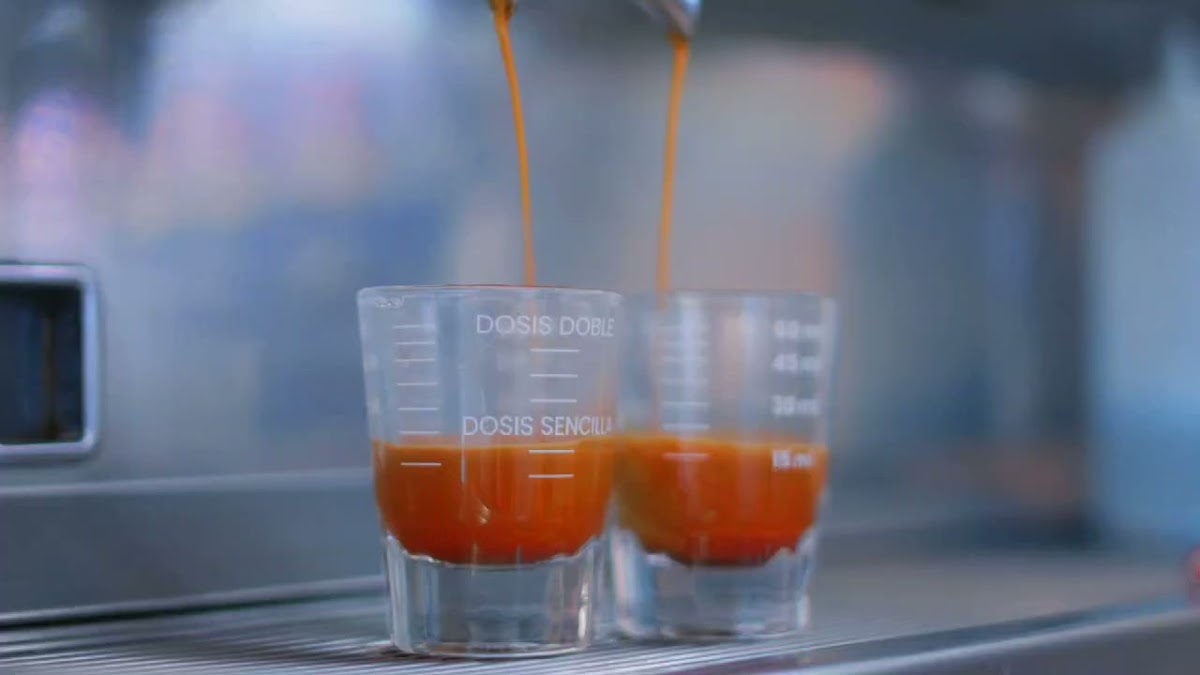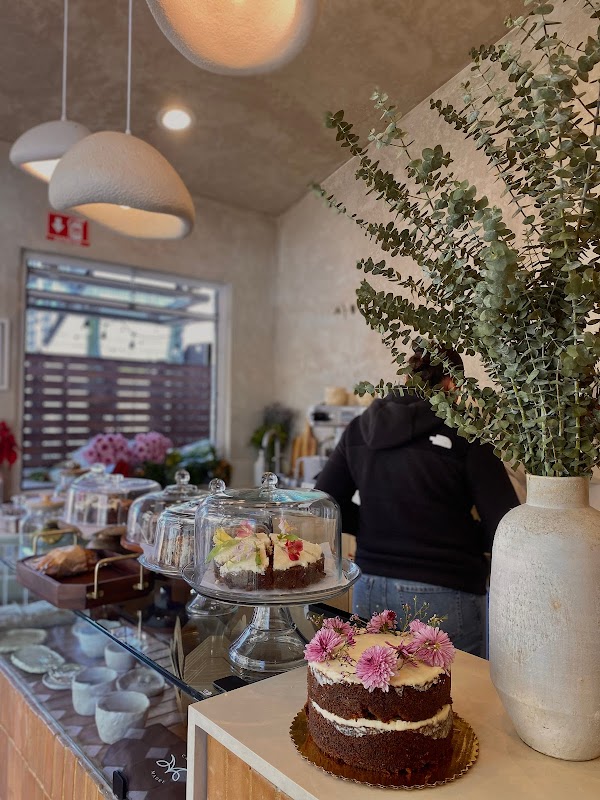
The smell of roasted beans and warm pan de elote hits you first at Corteza Madre. It’s 7:15 AM, and the line snakes out the door at Miguel Alemán Valdez 3042. A barista in a white apron hums along to a mariachi playlist while slicing banana bread into thick rounds. I order the tiramisu latte—$18, but worth every peso. The foam sits like velvet on top, and the first sip tastes like a grandmother’s kitchen: espresso, cocoa, and a whisper of mascarpone.
By 3 PM, the crowd shifts. Students linger over pistachio croissants, and a man in a business suit scribbles in a notebook. The review board on the wall is covered in sticky notes: 'Pan de elote is divine,' 'Banana bread, always.' I ask a regular why he comes back. 'This place smells like home,' he says, nodding at the honey bee mural on the wall.
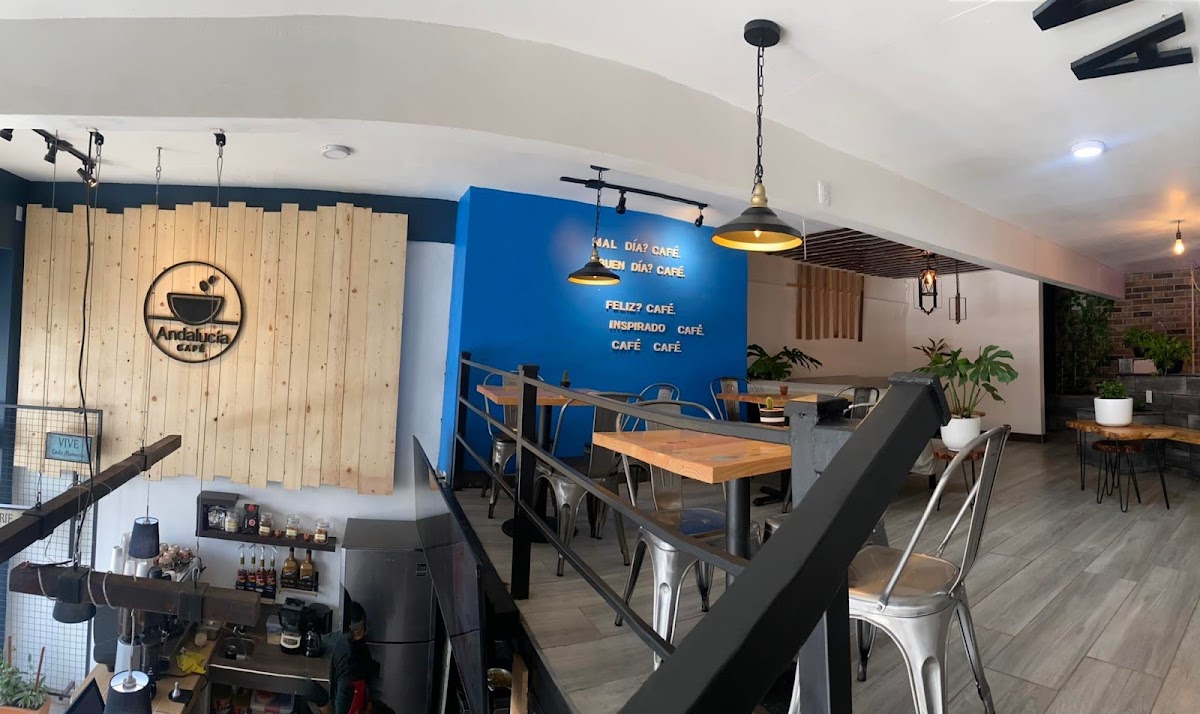
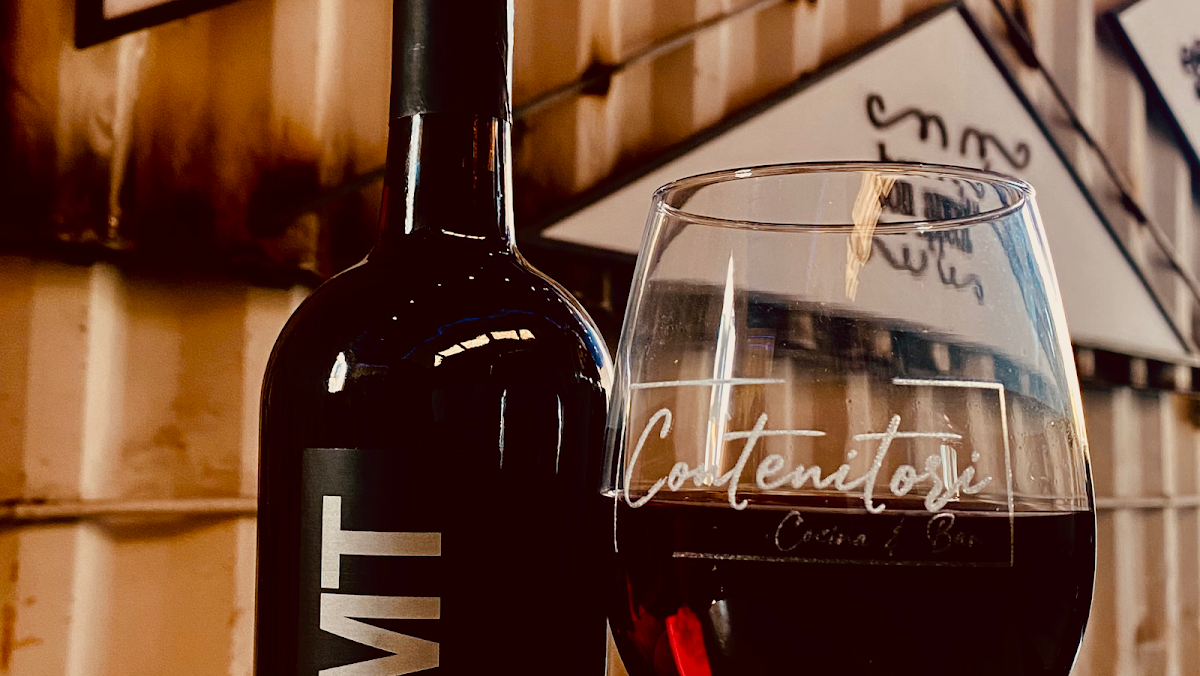
Two blocks west at Contenitori Café te & Bistro, the vibe is different. It’s 9:30 AM, and the patio is full of artists sketching the Rio Tijuana. The chai latte is $22, but the cinnamon foam art makes you feel like you’ve won something. A woman in a floral dress praises the 'best panini in the city'—the slow-roasted egg and avocado melts on sourdough.
The owner, a soft-spoken man named Carlos, tells me he opened here to 'bring calm to the chaos.' It works. The floor creaks like an old library, and the playlist swings from jazz to boleros. Even the parking lot feels curated—a row of cacti guarding the entrance.
Back at Corteza Madre, the sun dips low. The 'happy hour' sign flickers on—$10 lattes after 5 PM. A group of teens debate whether the matcha cake or the 'honey bee' pastry is better. I sip my leftover tiramisu latte and think: this is Tijuana’s secret. Not the border, not the beach. This—where coffee is a bridge between generations.